US and Saudi Arabia Sign Nuclear Deal Amidst Regional Conflicts
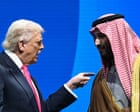
The United States has finalized a significant nuclear technology agreement with Saudi Arabia, which could permit the kingdom to enrich uranium in the future. This deal is now slated for submission to Congress for review, where it may encounter resistance from lawmakers concerned about potential deficiencies in monitoring safeguards. For over a year, the US has been apprehensive that Saudi Arabia might seek nuclear technology from other nations, such as China or Russia, if the US did not meet its demands. Saudi Arabia has previously indicated its intention to pursue partnerships with these countries if a US agreement was not reached, noting their differing proliferation standards. The specifics of the US-Saudi deal remain undisclosed, but its announcement coincides with ongoing US military strikes against Iran, aimed at preventing Tehran from developing domestic uranium enrichment capabilities and the potential for a nuclear weapon. Saudi Arabia has previously stated its intent to acquire nuclear weapons if Iran were to develop them. The US military has conducted twelve consecutive nights of strikes, expanding their scope to western and central Iran, targeting military assets including maritime capabilities, missile and drone storage, coastal surveillance, and air defense systems. Separately, Yemen's Houthi militia reported attacking two Saudi Arabian oil tankers on Thursday, with Saudi news confirming one vessel caught fire in the Red Sea.
This nuclear cooperation agreement between the US and Saudi Arabia occurs within a volatile regional geopolitical context, marked by escalating conflict with Iran and Houthi attacks. The US administration faces the challenge of balancing its strategic partnership with Saudi Arabia, including its energy and security interests, against concerns regarding nuclear proliferation and the potential for an arms race in the Middle East. The deal's submission to Congress highlights the domestic political scrutiny it will undergo, particularly concerning oversight mechanisms and adherence to international non-proliferation norms. The US's stated objective of preventing Iran from acquiring nuclear weapons while enabling Saudi Arabia's enrichment capabilities presents a complex diplomatic tightrope. Future developments will likely hinge on the robustness of verification protocols and the broader regional stability, as well as the evolving strategic calculus of all parties involved in the coming decade.
AI-generated to prompt reflection — not editorial opinion, not advice, not a statement of fact. How this works.