US and Saudi Forces Strike Iran-Backed Terrorists in Iraq; Iran Attacks Ships in Strait of Hormuz
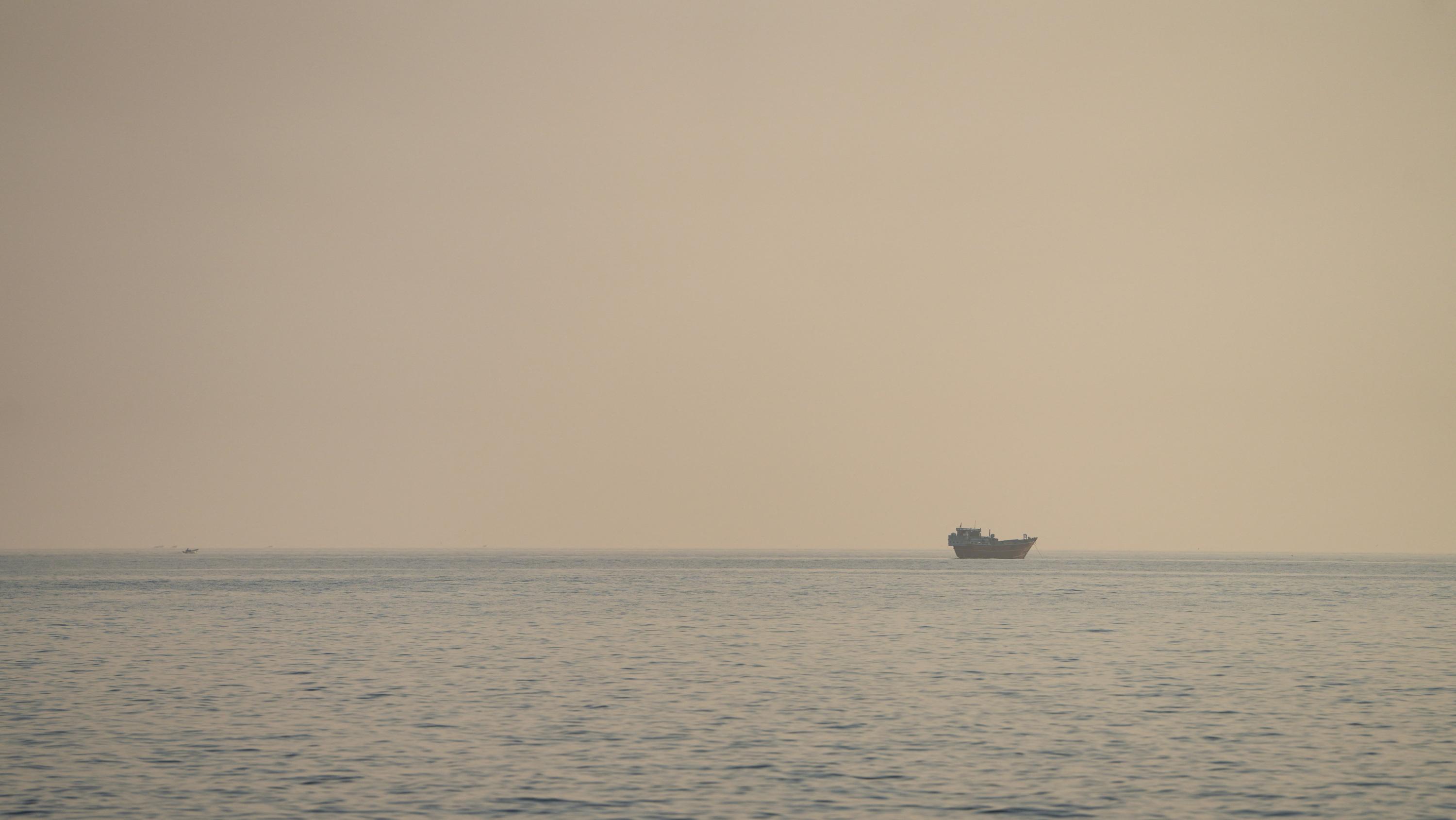
The United States military announced on Tuesday that it, along with Saudi Arabian armed forces, conducted strikes in Iraq targeting "terrorists supported by Iran." The announcement came amid escalating tensions in the Middle East. Simultaneously, Iran launched an attack on three oil tankers in the Strait of Hormuz. These dual events highlight the volatile security situation in the region, with direct military actions occurring in Iraq and significant maritime disruption in a crucial global shipping lane. The involvement of both the US and Saudi Arabia in striking Iran-backed groups in Iraq suggests a coordinated effort to counter Iranian influence. The attack on oil tankers in the Strait of Hormuz, a vital chokepoint for global oil supplies, raises concerns about energy security and potential wider conflict. Further details on the specific targets of the strikes in Iraq and the impact of the tanker attack are expected.
The coordinated strikes by US and Saudi forces in Iraq against Iran-backed groups, alongside Iran's aggressive actions against commercial shipping in the Strait of Hormuz, signal a significant escalation in regional proxy conflicts. This dynamic reflects the complex geopolitical incentives driving state and non-state actors in the Middle East, where control over influence and resources often leads to direct confrontation. The strategic importance of the Strait of Hormuz for global energy markets means that any disruption there has immediate and far-reaching economic consequences, potentially impacting international trade and energy prices for the next decade. Such events underscore the enduring challenge of managing regional rivalries and the systemic risks inherent in asymmetric warfare and state-sponsored destabilization efforts.
AI-generated to prompt reflection — not editorial opinion, not advice, not a statement of fact. How this works.