US Approves $1.96 Billion in Arms Sales to Saudi Arabia for Air Defense
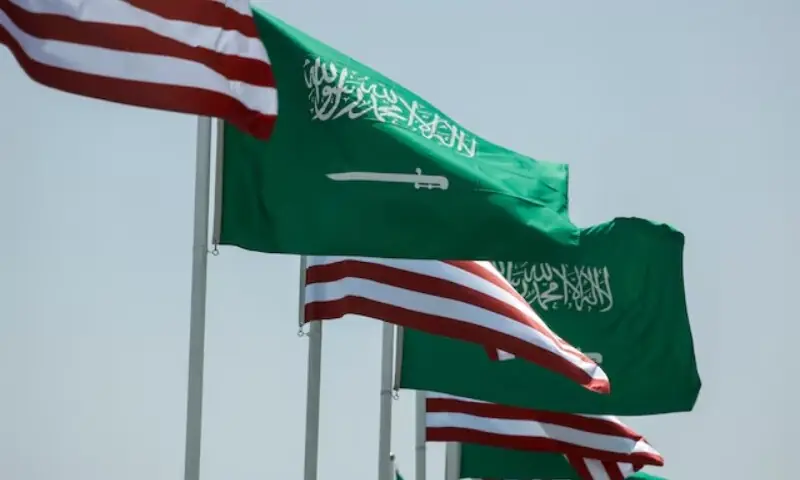
The U.S. State Department announced on Wednesday its approval of an estimated $1.96 billion arms sale to Saudi Arabia, aimed at enhancing the kingdom's air defense capabilities. This proposed sale is intended to support U.S. foreign policy and national security interests by strengthening a key non-NATO ally perceived as a force for stability and economic progress in the Gulf region. The package includes up to 20,000 Advanced Precision Kill Weapon Systems and associated warheads, described by the U.S. Navy as an effective method for target destruction with limited collateral damage. BAE Systems, based in Nashua, New Jersey, is designated as the principal contractor for this sale. The State Department stated that the weapons will improve Saudi Arabia's ability to counter existing and future threats, bolster its homeland defense, and enhance interoperability with U.S. and allied forces. This decision occurs amidst escalating tensions in the Middle East, including a recent Houthi missile attack on Abha airport in southern Saudi Arabia. The Houthi action followed an incident where the Yemeni government reportedly targeted Sanaa airport, impacting a flight carrying a Houthi delegation returning from a funeral. The Houthis have attributed responsibility for this incident to Riyadh. Concurrently, the United States has intensified its actions against Iran, including the reimposition of a naval blockade, as relations between the two nations deteriorate. The State Department assured that this arms sale would not negatively affect U.S. defense readiness.
The U.S. approval of a significant arms sale to Saudi Arabia, framed as a measure to bolster regional stability and counter threats, occurs within a complex geopolitical landscape. The transaction highlights the enduring strategic alignment between the U.S. and Saudi Arabia, particularly concerning Gulf security dynamics and perceived Iranian influence. Such sales, while presented as enhancing defensive capabilities and interoperability, also represent a substantial economic engagement for U.S. defense contractors. The timing of the approval, amidst heightened regional tensions and direct confrontations involving proxies and state actors, underscores the intricate balance of deterrence and escalation management that characterizes U.S. foreign policy in the Middle East. Future assessments will likely focus on how these advanced weapon systems are employed and their impact on regional conflict dynamics and civilian populations, considering the stated objective of limiting collateral damage.
AI-generated to prompt reflection — not editorial opinion, not advice, not a statement of fact. How this works.