US Approves First Molten Salt Nuclear Reactor Design for Safety
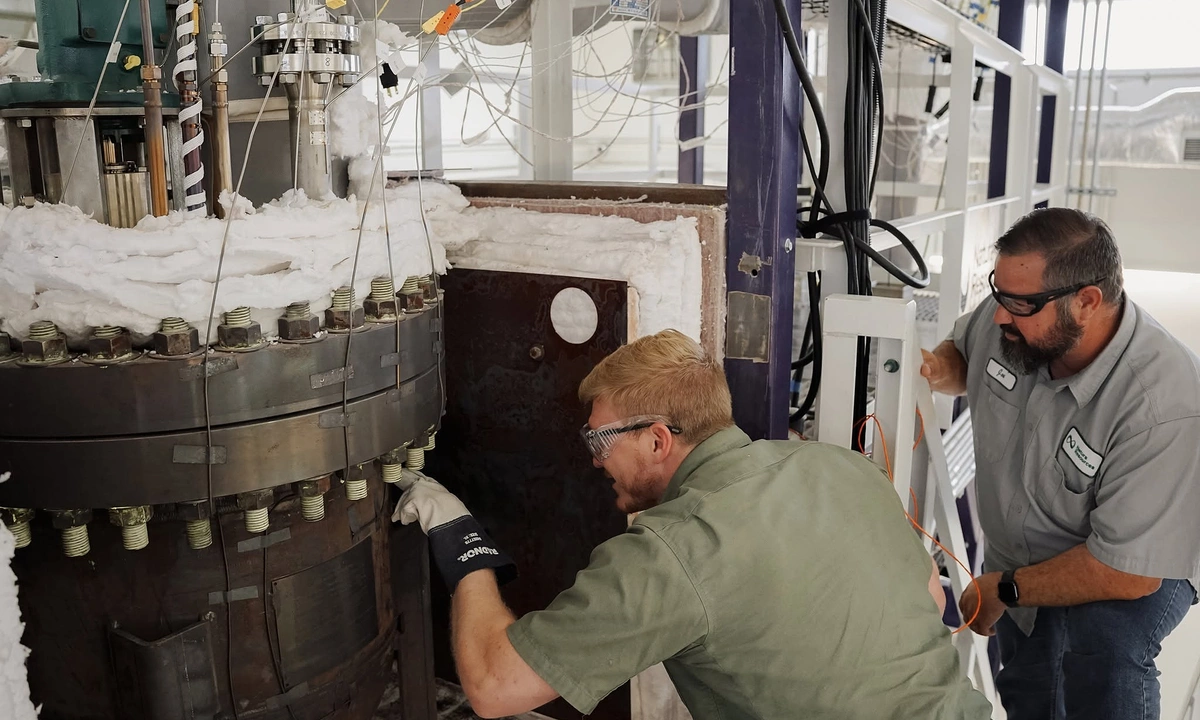
The United States is poised to grant the first safety license for a molten salt nuclear reactor design. This represents a significant advancement toward the potential commercialization of this novel energy technology. The approval marks a crucial step in the regulatory process for advanced nuclear reactors. Molten salt reactors offer potential advantages over traditional designs, including enhanced safety features and improved fuel efficiency. The U.S. Nuclear Regulatory Commission (NRC) is expected to issue the license, paving the way for further development and potential deployment. This development could signal a shift in the nuclear energy landscape, with a focus on innovative reactor technologies. The successful licensing of this design could accelerate the adoption of next-generation nuclear power. This milestone is a testament to years of research and development in advanced nuclear energy systems.
The U.S. approval of a molten salt reactor design signifies a potential paradigm shift in nuclear energy, driven by the pursuit of enhanced safety and efficiency. This development aligns with global trends toward decarbonization and energy independence, where advanced nuclear technologies are viewed as a critical component. The regulatory green light addresses inherent safety concerns associated with traditional nuclear power, potentially unlocking new investment and deployment opportunities. However, the long-term economic viability and scalability of molten salt reactors compared to established energy sources will be crucial factors in their widespread adoption. Future challenges may include managing the unique fuel cycles and waste streams associated with this technology, as well as ensuring robust public acceptance and international cooperation for its global deployment.
AI-generated to prompt reflection — not editorial opinion, not advice, not a statement of fact. How this works.