US Approves Missile Sale to Singapore, Citing Regional Balance
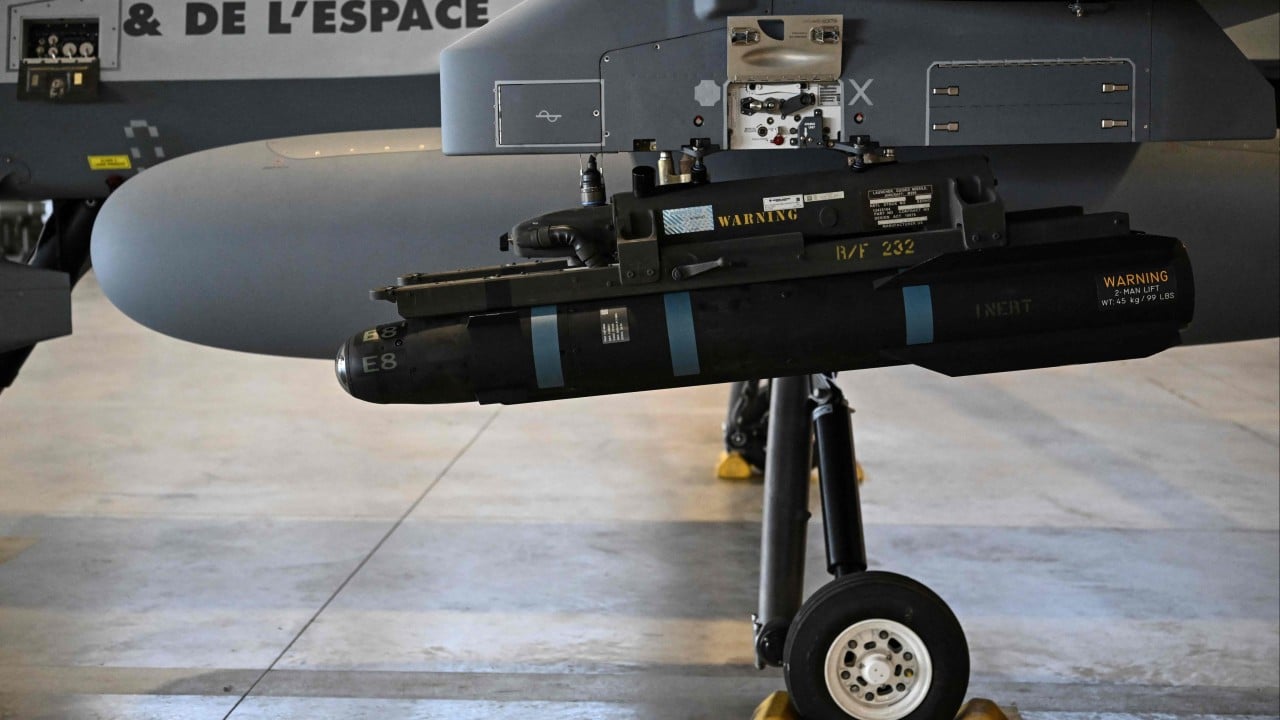
The United States has approved a proposed sale of additional Hellfire missiles to Singapore, valued at US$22.3 million. The U.S. State Department stated that this transfer, along with associated arms support, will not change the fundamental military balance in the region. Observers view this sale as a standard procurement by Singapore for training purposes and to maintain its advanced weaponry. However, the specific language used by the U.S. suggests a wider strategic objective. This objective involves reinforcing a network of allied and partner nations, while simultaneously navigating complex geopolitical dynamics. The move is part of a larger effort by the U.S. to bolster its regional alliances and partnerships. This strategic positioning aims to enhance collective security and influence in the Indo-Pacific. The sale underscores the ongoing commitment to supporting key regional partners with advanced defense capabilities.
The U.S. State Department's assertion that the missile sale to Singapore will not alter the regional military balance, while simultaneously framing it as strengthening allied networks, highlights a delicate strategic calibration. This approach seeks to reassure regional actors about stability while subtly signaling an enhanced U.S. security architecture. The transaction reflects a broader geopolitical strategy of deepening partnerships to counter potential shifts in regional power dynamics. Future developments will likely depend on how other regional powers perceive this reinforcement of U.S. alliances and whether it precipitates reciprocal security arrangements or escalates existing tensions. The emphasis on maintaining a 'basic military balance' suggests a focus on defensive capabilities and interoperability within the U.S. alliance framework, rather than an overt offensive posture.
AI-generated to prompt reflection — not editorial opinion, not advice, not a statement of fact. How this works.