US Approves Nuclear Deal with Saudi Arabia, Allowing Uranium Enrichment
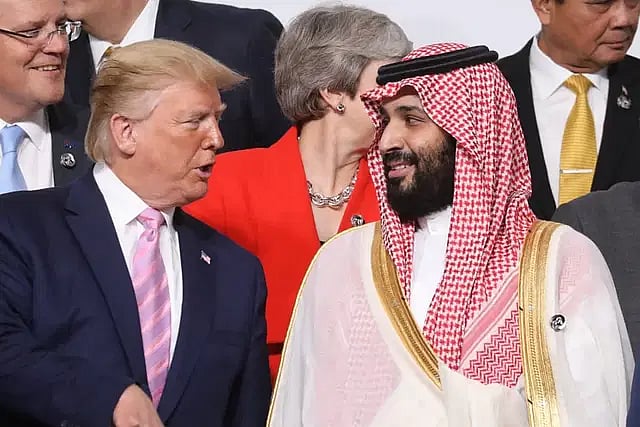
U.S. President Donald Trump has approved a nuclear cooperation agreement with Saudi Arabia, granting the Kingdom the ability to enrich uranium for its domestic nuclear power plants. This 30-year pact is expected to strengthen bilateral relations, which had previously seen tensions related to Iran's nuclear program. The deal was officially signed by Trump on Wednesday, with administration officials highlighting its potential to generate billions of dollars in business for the U.S. nuclear industry, potentially benefiting companies like Westinghouse.
Details of the agreement will be presented to the U.S. Congress soon. However, concerns have been raised by some lawmakers from both Democratic and Republican parties, as well as Israeli officials. They fear that Saudi Arabia might leverage its civilian nuclear program to pursue nuclear weapons capabilities. Discussions for this agreement had been ongoing for years, with a previous U.S. administration considering it part of a broader diplomatic package that included Saudi recognition of Israel, a prospect that diminished after the October 7th attacks on Gaza.
Before the agreement can take effect, it must undergo review by the U.S. Congress, which can vote on objections. While approval is likely, given the need to overcome a presidential veto, significant debate is anticipated. Reports suggest Trump agreed to terms that could limit international inspectors' oversight, making it harder to verify if nuclear materials are diverted for weapons development. The U.S. will also jointly study the economic feasibility of nuclear fuel production with Saudi Arabia, which could eventually permit uranium enrichment and plutonium reprocessing within the Kingdom. The Wall Street Journal first reported on the deal. The agreement includes two classified supplementary documents, which some members of Congress have stated they will not support without public disclosure, citing national security and commercially sensitive information.
The U.S. approval of a nuclear cooperation deal with Saudi Arabia, including uranium enrichment rights, represents a significant shift in regional nuclear policy. This development, occurring amidst ongoing geopolitical tensions and concerns over nuclear proliferation, highlights the complex interplay of energy security, economic interests, and international relations. The deal's structure, particularly regarding inspection limitations and classified annexes, warrants careful scrutiny to ensure it aligns with global non-proliferation norms and does not inadvertently create new strategic risks. Future U.S. administrations will likely face the challenge of balancing domestic industry promotion with the imperative of preventing the spread of nuclear weapons technology, especially in a volatile region. The long-term implications for regional stability and the global non-proliferation regime will depend on robust oversight and adherence to international standards.
AI-generated to prompt reflection — not editorial opinion, not advice, not a statement of fact. How this works.