US Approves Nvidia AI Chip Sales to Chinese Firm ZTE, Amidst Potential Regulatory Hurdles
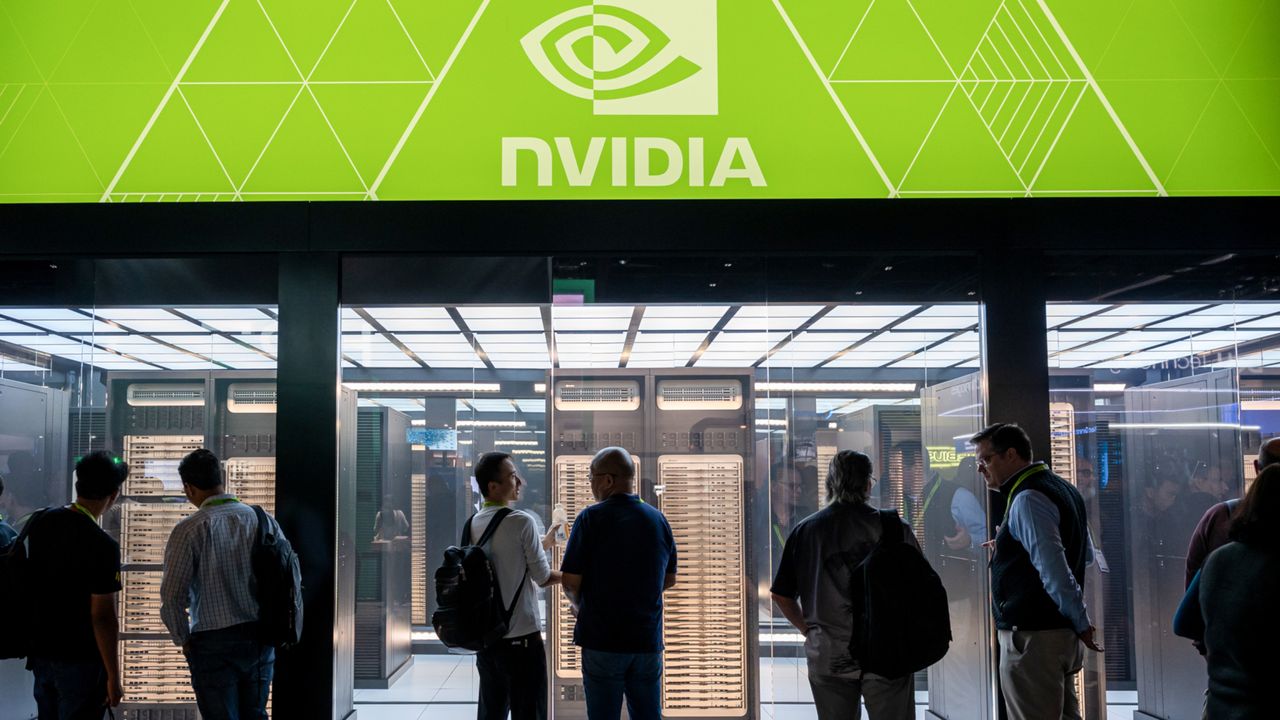
The United States government has granted a license to Chinese telecommunications company ZTE, allowing it to purchase Nvidia's H200 AI chips. This development permits ZTE access to the advanced Hopper technology, placing it in the company of other major Chinese tech firms like Alibaba, Tencent, and ByteDance. These firms have also gained access to Nvidia's cutting-edge AI hardware. However, the actual impact of this license may be constrained by Chinese regulatory bodies and domestic procurement strategies. These internal Chinese mechanisms could potentially limit the quantity of chips ZTE can acquire or utilize, despite the US approval. The situation highlights the complex interplay between international trade regulations and national industrial policies in the highly competitive field of artificial intelligence.
The US decision to license Nvidia's H200 AI chip sales to ZTE, following similar approvals for other Chinese tech giants, reflects a dynamic recalibration of export controls. While ostensibly easing restrictions, the move may also be intended to test the effectiveness of China's own domestic AI development and procurement strategies. The inherent contradiction lies in enabling access to advanced technology while potentially being subject to downstream limitations imposed by the recipient nation. This scenario underscores the evolving geopolitical landscape of AI, where national security concerns intersect with global market demands and technological competition, prompting a strategic reevaluation of how nations manage the flow of critical AI components over the next decade.
AI-generated to prompt reflection — not editorial opinion, not advice, not a statement of fact. How this works.