US Army Considers Seizing Middle East Deployees' Phones for Security
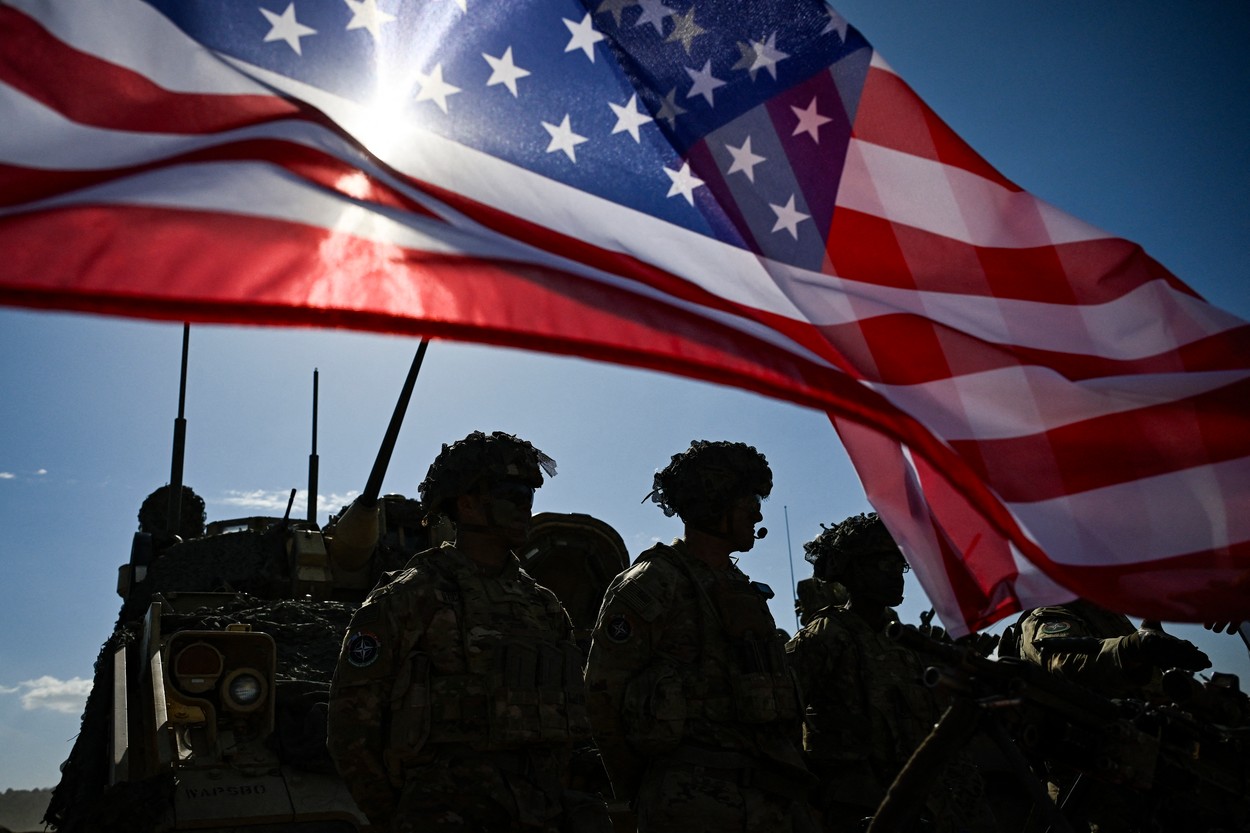
The top commander of US forces in the Middle East has warned troops that videos shared online from mobile phones could aid Iran in targeting American bases. Sources have indicated to Reuters that some deployed personnel may soon be ordered to surrender their mobile devices. This potential measure stems from security concerns related to the dissemination of information that could compromise the safety of US military installations in the region. The commander's advisory highlights the perceived threat posed by readily available footage from personal devices. The possibility of confiscation suggests a heightened level of concern within the military regarding intelligence gathering by adversaries. This development underscores the ongoing security challenges faced by US forces operating in the volatile Middle East. The specific details regarding the implementation and scope of such a confiscation order have not yet been fully disclosed.
The potential confiscation of mobile phones from US military personnel in the Middle East reflects a critical tension between operational security and individual privacy in the digital age. The stated concern is that publicly shared videos could be exploited by adversaries like Iran to identify and target US bases. This situation highlights the evolving nature of modern warfare, where information warfare and open-source intelligence play increasingly significant roles. From a strategic perspective, such measures aim to mitigate risks associated with compromised situational awareness. However, the broad implications for troop morale, trust, and the precedent set for managing personal technology in sensitive deployments warrant careful consideration. Future military planning will likely need to balance robust security protocols with the integration of secure communication and data management systems that do not necessitate the complete removal of personal devices.
AI-generated to prompt reflection — not editorial opinion, not advice, not a statement of fact. How this works.