US Army Depleted Long-Range Precision Missile Stockpile in Iran War, Reuters Reports
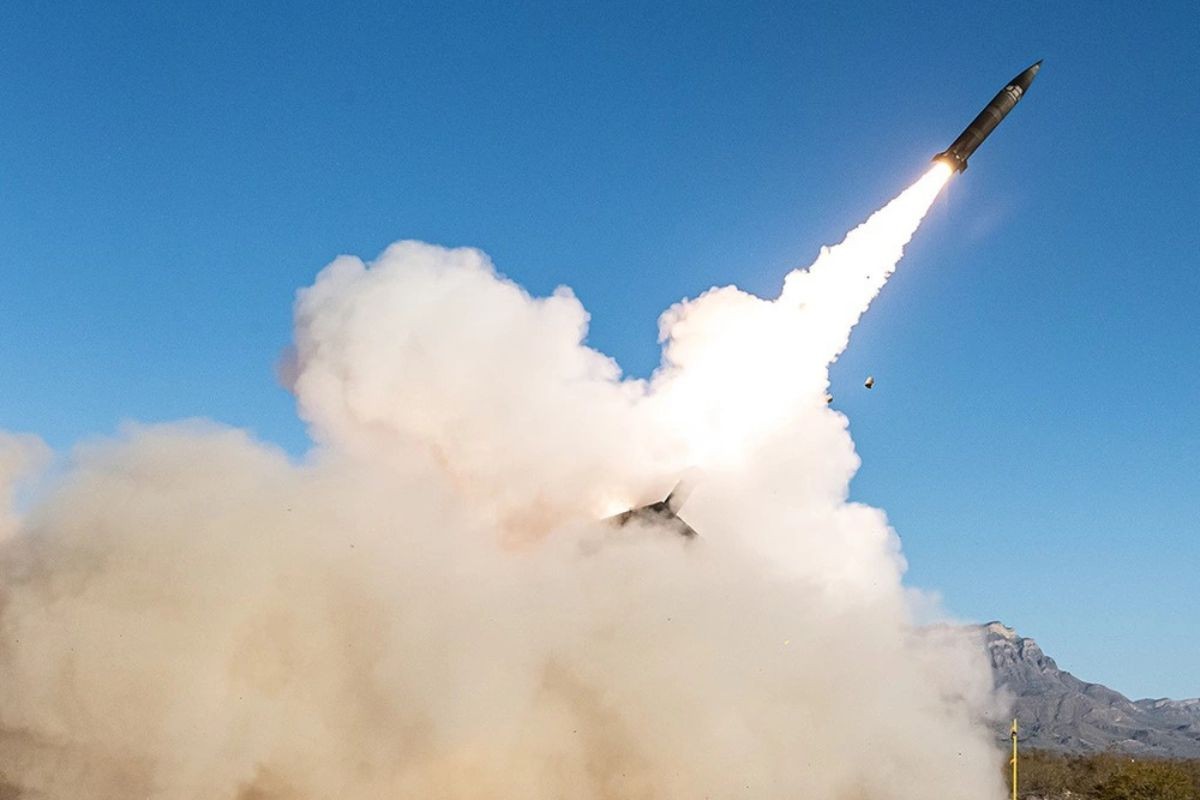
The United States Army has reportedly used nearly its entire stockpile of long-range precision missiles during the ongoing war against Iran, according to a Reuters report citing three individuals familiar with U.S. military data. The missiles in question are primarily surface-to-surface weapons, including the Army Tactical Missile Systems (ATACMS) and the newer Precision Strike Missile (PrSM). This marks the first time a significant depletion of these offensive missiles has been noted since the conflict began six months ago, entering its sixth month in August. While the exact remaining quantities were not disclosed, the scarcity raises concerns about U.S. military readiness for future conflicts. This situation follows earlier reports in July of a shortage in Patriot air defense missile batteries. These long-range munitions are crucial for precise strikes from a safe distance, with ATACMS having played a significant role in supporting Ukrainian forces against Russian targets. The PrSM, a more advanced system with a greater range, is slated to replace ATACMS. Analysts emphasize the strategic importance of these weapons, each costing over $1 million and requiring substantial production time, particularly in the context of potential future conflicts with China. President Donald Trump initiated the war against Iran in February, alongside Israel, anticipating a swift resolution. However, the prolonged Middle East conflict intensifies concerns that reduced missile stockpiles could undermine the U.S.'s ability to deter global adversaries like Russia and China. A separate military source indicated that while ground-based missile stocks are largely depleted, other military inventories globally have been replenished.
The reported depletion of U.S. long-range precision missile stockpiles during the Iran conflict highlights critical considerations for defense logistics and strategic planning in an era of persistent global competition. The reliance on these high-value, long-lead-time munitions for protracted engagements underscores the tension between immediate operational needs and long-term deterrence capabilities. As major powers increasingly integrate advanced missile systems into their arsenals, the capacity to rapidly replenish stocks becomes a significant factor in maintaining strategic advantage. This situation prompts an examination of production scaling, alternative supply chains, and the strategic calculus of employing such assets, particularly in light of potential multi-front conflicts. Future defense strategies may need to balance the deployment of cutting-edge precision strike capabilities with robust industrial bases capable of sustained production and rapid reconstitution of critical munitions.
AI-generated to prompt reflection — not editorial opinion, not advice, not a statement of fact. How this works.
