US Army's 'High Testosterone' Push Sparks Medical Debate
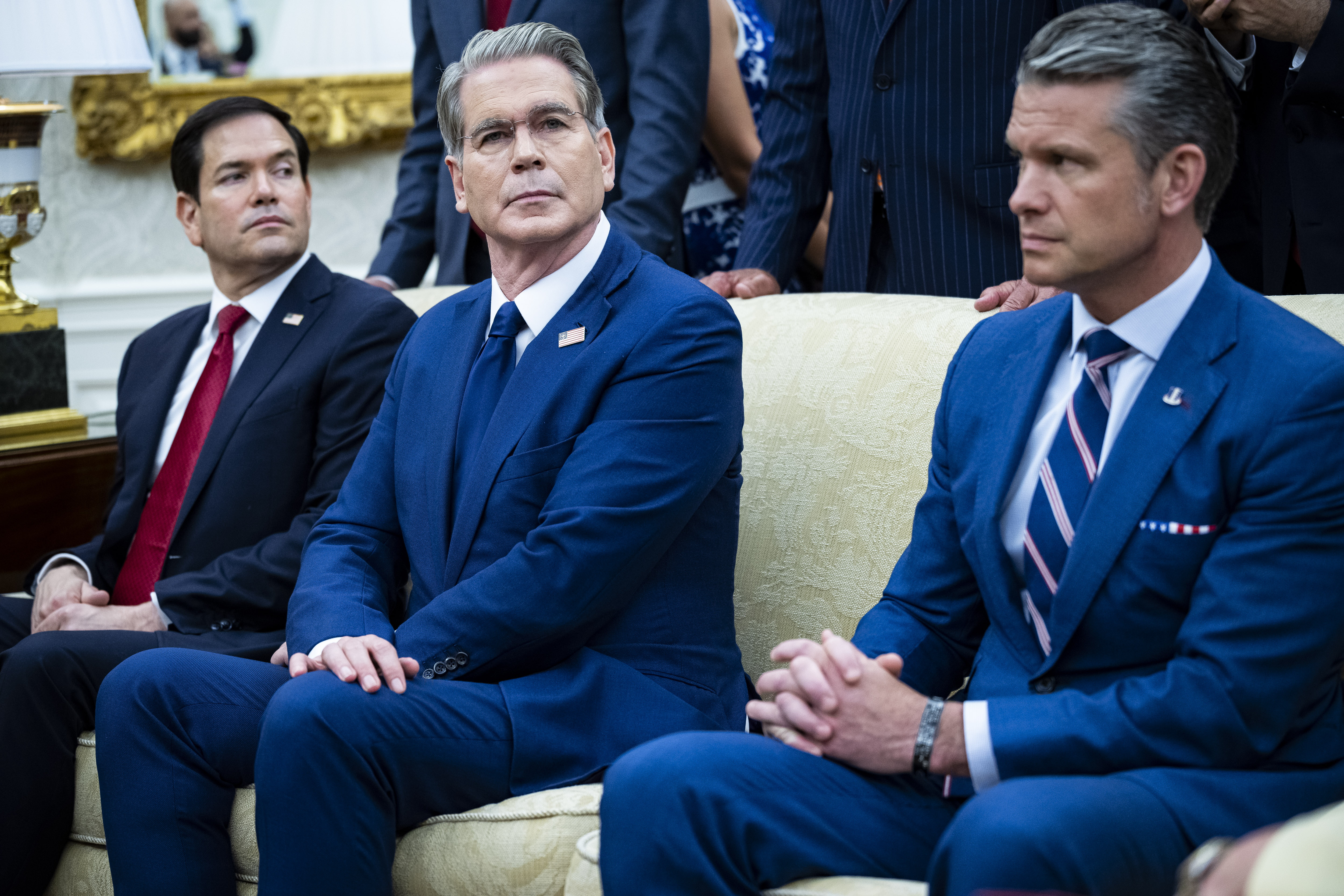
A recent initiative within the US Department of the Army, reportedly promoted by Pete Hegseth, has drawn significant attention and criticism from medical experts. The initiative appears to advocate for an army composed of individuals with high testosterone levels. However, medical professionals are questioning the scientific basis and implications of this approach.
These experts are raising concerns about the validity of Hegseth's claims and the potential consequences of prioritizing testosterone levels in military recruitment or readiness. The disagreement highlights a clash between perceived military needs and established medical understanding. The US Department of the Army's decision to pursue such a strategy is under scrutiny, with medical professionals urging caution and evidence-based reasoning.
The US Department of the Army's consideration of 'high testosterone' as a factor in military composition, as reportedly promoted by Pete Hegseth, invites an examination of how biological markers are integrated into personnel strategy. While testosterone is associated with certain physical attributes, its direct correlation with combat effectiveness or overall military suitability requires rigorous scientific validation. Focusing on single biological metrics may overlook a complex array of factors crucial for military success, including psychological resilience, cognitive abilities, and teamwork. Future military readiness may benefit from a holistic approach that considers a broader spectrum of human capabilities, informed by diverse scientific disciplines, rather than relying on potentially oversimplified biological assumptions. This approach ensures that recruitment and training strategies are robust, equitable, and aligned with the multifaceted demands of modern defense.
AI-generated to prompt reflection — not editorial opinion, not advice, not a statement of fact. How this works.