US Asylum Deal with Ecuador: Court Rules DHS Not Required to Submit Operational Plan
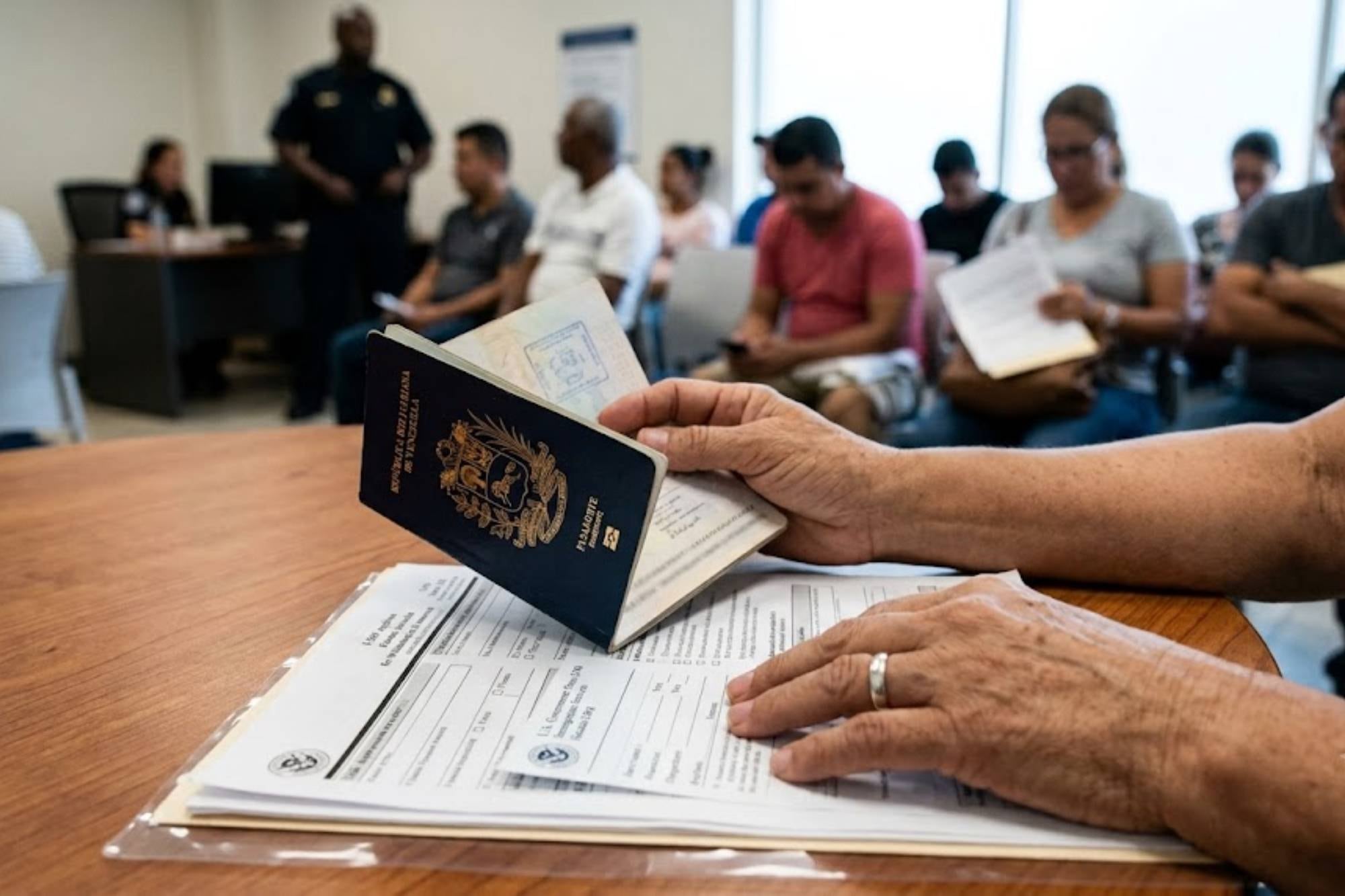
The U.S. Board of Immigration Appeals has made a ruling regarding the asylum agreement between the United States and Ecuador, impacting Venezuelan migrants seeking protection. The board decided that the Department of Homeland Security (DHS) is not obligated to present its operational plan for implementing the agreement. This ruling stems from a case involving a Venezuelan national who sought asylum in the U.S. The agreement, which allows the U.S. to return asylum seekers to Ecuador if they did not first seek protection in that country, has been a key component of U.S. border policy. The court's decision means that the specific operational details of how DHS enforces this agreement will not be made public through this legal challenge. This outcome could affect the transparency and potential legal scrutiny of the asylum process for Venezuelans and other nationalities transiting through Ecuador. The ruling does not invalidate the agreement itself, but rather addresses the procedural requirements for its defense in court.
This judicial decision regarding the U.S.-Ecuador asylum agreement shifts the legal burden of proof for the Department of Homeland Security. By not requiring the disclosure of the operational plan, the ruling may limit external oversight into the practical application of the agreement, potentially impacting the procedural fairness for asylum seekers. This outcome could be viewed through the lens of national security versus transparency, and how such agreements are adjudicated in the context of evolving immigration policies. Future developments may focus on whether alternative legal avenues emerge to scrutinize the agreement's implementation and its adherence to international asylum standards, particularly as migration patterns continue to shift in the coming decade.
AI-generated to prompt reflection — not editorial opinion, not advice, not a statement of fact. How this works.