US at 250: Reflecting on its Global Role Amidst a History of Intervention
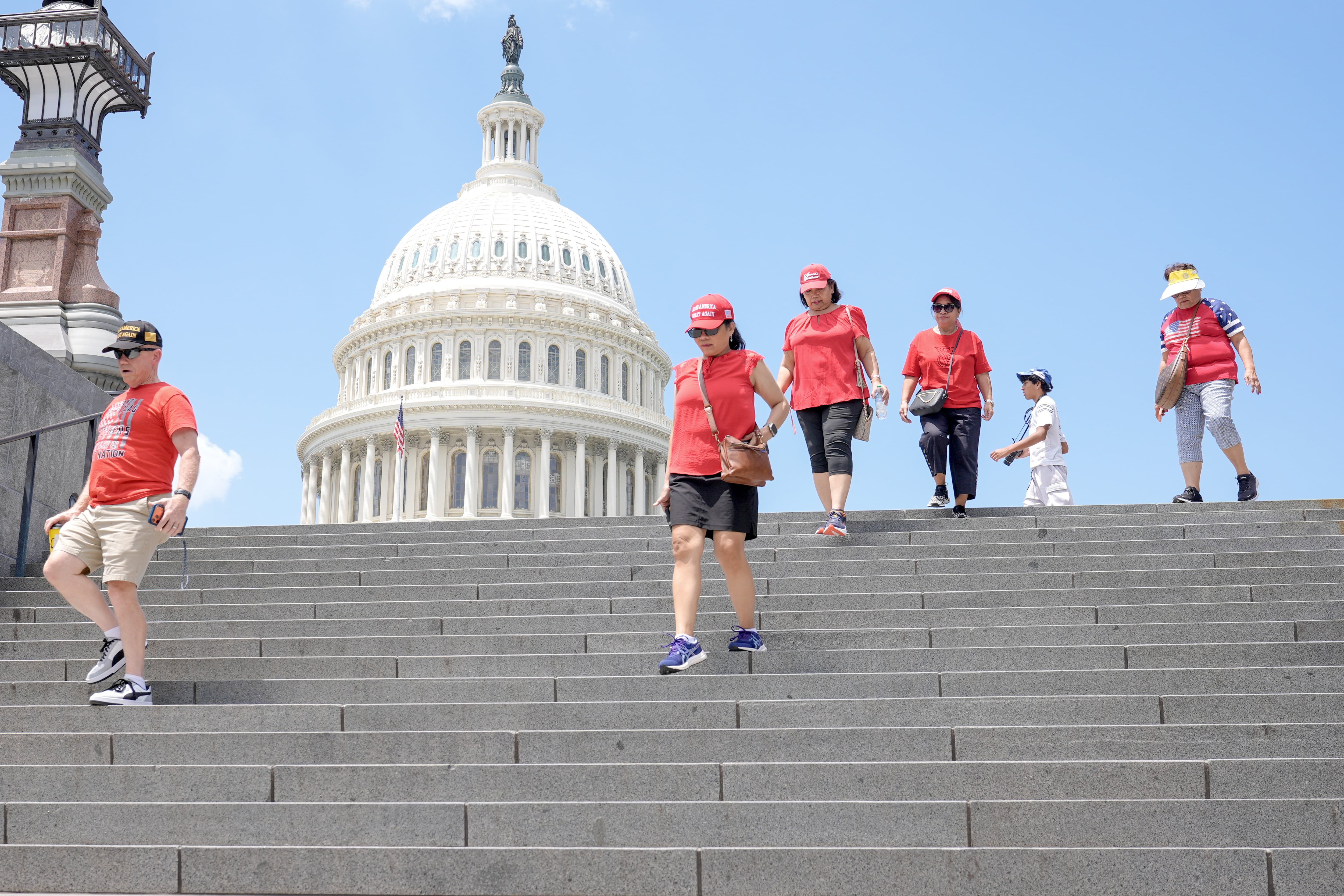
As the United States celebrates its 250th anniversary, it is contemplating its position and role in the world. Since its founding in 1776, the nation has engaged in foreign interventions over 500 times. Notably, a significant portion of these interventions, approximately one-third, have occurred since 1999. This historical pattern of engagement raises questions about the US's ongoing global responsibilities and its impact on international affairs. The reflection comes at a time when the country's influence and foreign policy strategies are under scrutiny both domestically and internationally. The sheer volume of interventions underscores a long-standing tradition of projecting power and engaging in global events. The recent surge in interventions since the turn of the millennium highlights evolving geopolitical dynamics and the continued assertion of American influence. This introspection is crucial as the US navigates the complexities of the 21st century and defines its future foreign policy objectives.
The United States' extensive history of foreign intervention, exceeding 500 instances since its inception, presents a complex challenge for its self-perception and global standing. The concentration of approximately one-third of these interventions since 1999 suggests a potential acceleration or shift in foreign policy approaches in the contemporary era. Analyzing this pattern through the lens of evolving global power structures and technological advancements is critical. The long-term implications of such sustained engagement on international stability, democratic norms, and the US's own domestic priorities warrant careful consideration. Understanding the incentive structures that drive these interventions, whether economic, security-related, or ideological, will be key to forecasting future foreign policy trajectories and their systemic consequences in an increasingly interconnected world.
AI-generated to prompt reflection — not editorial opinion, not advice, not a statement of fact. How this works.