US Attack on Aq-Taqeh Khan Bridge Highlights Iran's Transit Route Importance
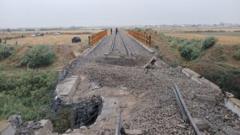
A recent US attack on the Aq-Taqeh Khan railway bridge in Golestan province has drawn attention to one of Iran's most significant transit routes. This corridor connects Iran to the railway networks of Central Asia, Russia, and China via the Incheh Boron border crossing. The bridge's strategic location underscores its critical role in Iran's economy. Disruptions to this vital transit artery could have substantial economic repercussions for the country. The incident prompts a closer examination of the geopolitical and economic implications of maintaining and securing such key infrastructure. Understanding the significance of this route is crucial for assessing its impact on regional trade and Iran's connectivity with East Asia and Europe.
The disruption of the Aq-Taqeh Khan railway bridge underscores the strategic vulnerability of key transit infrastructure. For nations reliant on international trade and connectivity, the security of such corridors is paramount. This event highlights the complex interplay between geopolitical tensions and economic stability, as disruptions can have cascading effects on supply chains and regional commerce. Future infrastructure planning must consider resilience against potential disruptions, factoring in evolving geopolitical landscapes and the increasing importance of efficient trade routes in a globalized economy. The incident serves as a case study for evaluating the long-term economic consequences of infrastructure insecurity and the necessity of robust contingency planning.
AI-generated to prompt reflection — not editorial opinion, not advice, not a statement of fact. How this works.