US Attack on Aq-Taqeh Khan Bridge Highlights Iran's Transit Route Importance
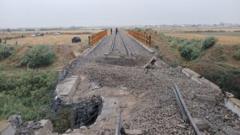
An American attack on the Aq-Taqeh Khan railway bridge in Golestan province has drawn attention to one of Iran's most crucial transit routes. This corridor connects Iran to the Central Asian railway network, Russia, and China via the Incheh Boron border crossing. The incident raises questions about the significance of this corridor for Iran's economy and the potential consequences of any disruption to its operations. The route is vital for facilitating trade and logistical connections between Iran and its northern neighbors, as well as extending further into Asia. Understanding the strategic value of this infrastructure is key to comprehending its role in regional connectivity and economic exchange. The disruption underscores the vulnerability of such key transit points and the broader implications for international trade flows. The focus on this specific bridge highlights its pivotal position within Iran's broader transportation network.
The incident involving the Aq-Taqeh Khan railway bridge brings into sharp focus the strategic importance of transit corridors for national economies and regional connectivity. Disruptions to such infrastructure can have cascading effects, impacting trade flows, supply chain resilience, and geopolitical relationships. Examining the incentive structures that lead to such attacks, whether for strategic advantage or as a consequence of broader conflicts, is crucial. The event serves as a reminder of the interconnectedness of global logistics and the potential vulnerabilities inherent in critical transportation networks. In the coming decade, as technological advancements reshape trade and infrastructure, understanding and securing these vital arteries will become even more paramount for economic stability and international cooperation.
AI-generated to prompt reflection — not editorial opinion, not advice, not a statement of fact. How this works.