US-backed Venezuela talks to proceed without key opposition figure Machado
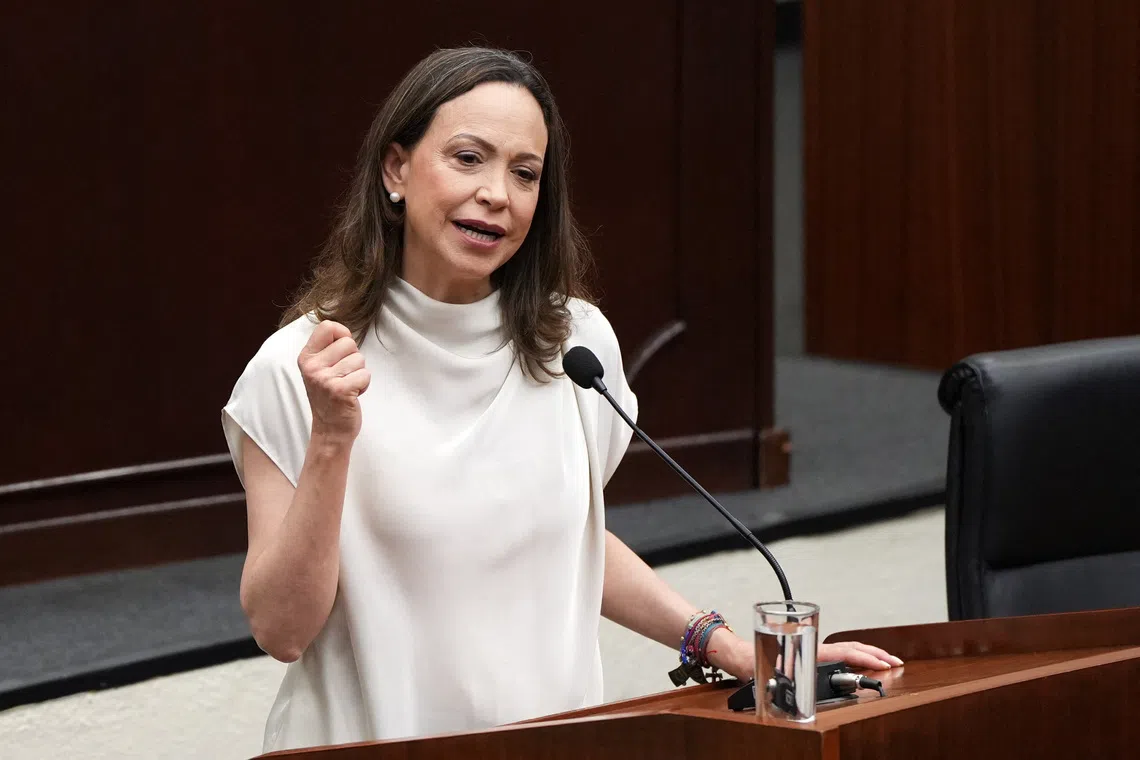
Negotiations intended to reform Venezuela's political system and pave the way for future elections are set to commence without the participation of prominent opposition leader María Corina Machado. The talks, which have received backing from the United States, aim to address the country's electoral and political landscape. Machado, a leading contender in the opposition primaries, has been barred from holding public office, a decision that has drawn significant criticism. Her exclusion from these crucial discussions raises concerns about the inclusivity and potential effectiveness of the reform process. The exclusion is a direct consequence of a ruling by Venezuela's comptroller general, which prohibits individuals involved in certain administrative actions from seeking office. This development underscores the complex political challenges facing Venezuela as it navigates towards potential electoral reforms. The international community, particularly the U.S., has been closely monitoring these developments, emphasizing the need for fair and democratic processes. The absence of Machado, a widely supported opposition figure, could impact the legitimacy of the outcomes of these talks and the subsequent electoral process.
The exclusion of a leading opposition figure from U.S.-backed political talks in Venezuela presents a complex dynamic. From a governance perspective, the effectiveness of any reform process hinges on the broad participation of key stakeholders. When significant political actors are sidelined, it can undermine the legitimacy of the outcomes and potentially exacerbate existing divisions within the electorate. The U.S. backing suggests an interest in democratic reforms, yet the practical implementation faces challenges related to Venezuela's internal legal and political structures, specifically the comptroller general's disqualification rulings. This situation highlights a potential tension between external diplomatic objectives and the internal political realities of candidate eligibility and electoral fairness. Moving forward, the focus will likely be on whether these talks can yield substantive changes that address democratic concerns, despite the absence of a prominent voice, and how this impacts the broader trajectory towards future elections in the region.
AI-generated to prompt reflection — not editorial opinion, not advice, not a statement of fact. How this works.