US Bans Chinese Humanoid Robots, Escalating Tech Rivalry
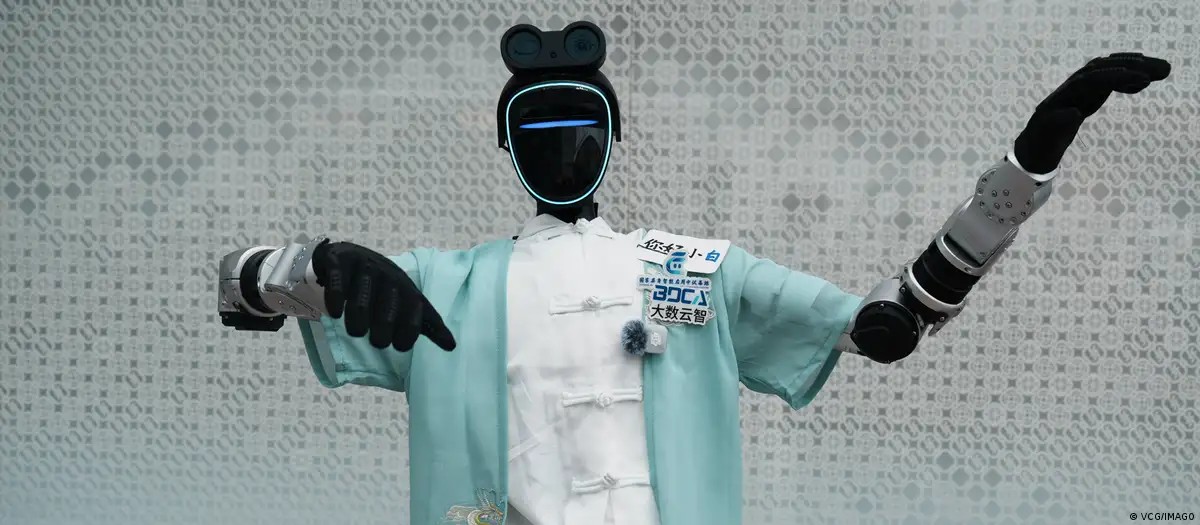
The United States has announced a ban on the importation of advanced humanoid and quadrupedal robots manufactured abroad, a move primarily targeting Chinese companies and escalating technological tensions with Beijing. The Federal Communications Commission (FCC) cited national security and cybersecurity risks, asserting that these devices could pose cyber threats to critical infrastructure and compromise public safety. The FCC's definition includes mobile robots weighing over two kilograms that use sensors, network connectivity, and software for autonomous navigation and obstacle avoidance. This prohibition is expected to significantly impact the global market for humanoid robots, an area of rapid technological growth where Chinese manufacturers currently hold a dominant position. Analysts estimate Chinese firms account for approximately 85% of the global humanoid robot market, with projections suggesting the Chinese market could reach $15 billion by 2030. Despite this, Chinese companies like Unitree and AGIBOT exported around 10,000 humanoid robots in 2025, far exceeding the hundreds exported by U.S. companies. The ban also extends to foreign-made power inverters used in solar energy systems, citing similar remote deactivation and data collection risks. While the U.S. aims to protect its supply chains and national security, experts suggest China's vast industrial base and access to other export markets may mitigate the ban's impact on its technological advancement. The decision comes ahead of a planned meeting between U.S. President Donald Trump and Chinese President Xi Jinping, adding to existing diplomatic friction, which includes previous U.S. bans on Chinese drones and potential restrictions on open-source AI models.
The U.S. ban on imported advanced robots, particularly those from China, reflects a broader geopolitical strategy to curb perceived technological and security threats from strategic competitors. By leveraging national security concerns, the U.S. aims to protect its domestic technology sector and critical infrastructure from potential cyber vulnerabilities and data espionage. This action highlights the increasing weaponization of trade policy in the context of advanced technologies like AI and robotics, where market dominance is intertwined with national power. While the ban may create short-term disruptions for Chinese manufacturers, their established market share and expansive industrial capacity suggest they may adapt by focusing on other international markets or accelerating domestic innovation. The move also prompts a reevaluation of global supply chain dependencies and the potential for technological decoupling, forcing other nations to navigate complex trade-offs between economic integration and security imperatives in the evolving AI era.
AI-generated to prompt reflection — not editorial opinion, not advice, not a statement of fact. How this works.