US Bans Foreign-Made Humanoid Robots, Citing National Security Risks
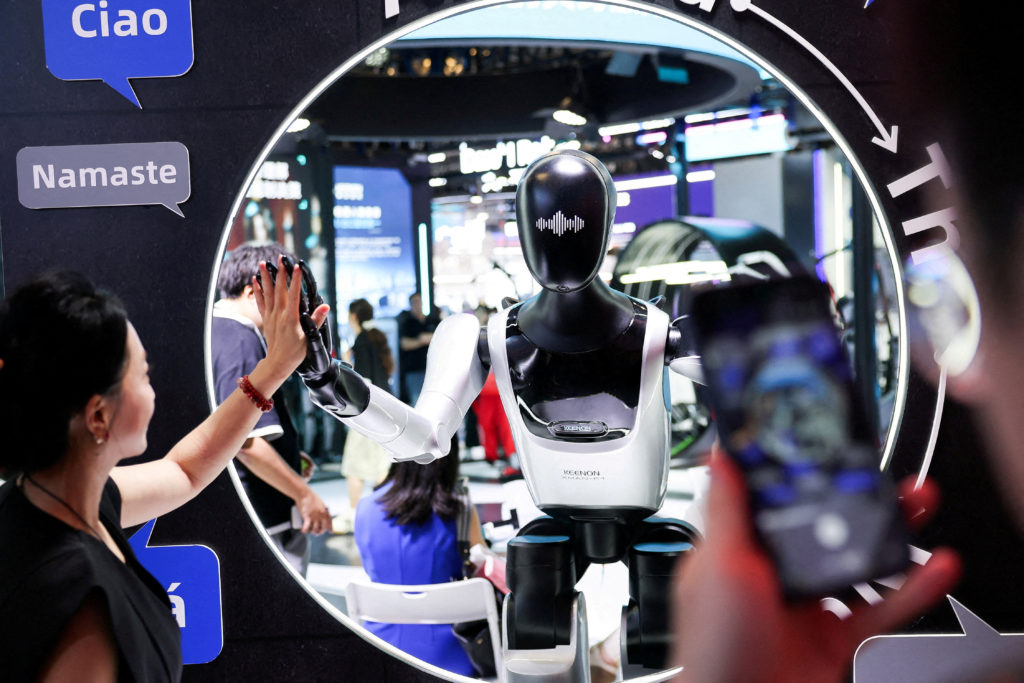
The U.S. Federal Communications Commission (FCC) has issued a ban on the import of new foreign-made humanoid robots and power inverters. This decision is primarily driven by national security concerns, with the move specifically targeting China. The FCC's action aims to mitigate potential risks associated with advanced foreign technology entering the U.S. market. In response to the ban, Beijing has swiftly accused the United States of engaging in protectionist trade practices. This development highlights ongoing tensions and scrutiny over technological imports between the two global powers. The ban underscores the U.S. government's increasing focus on safeguarding its national security interests in the face of evolving technological landscapes and geopolitical competition.
The U.S. ban on foreign-made humanoid robots and power inverters, framed through a national security lens, reflects a broader trend of technological decoupling and increased scrutiny of supply chains. While presented as a security measure, such actions can also serve to protect domestic industries and foster local innovation by creating market barriers for foreign competitors, particularly China. This strategic move may incentivize domestic development in robotics and power electronics, potentially accelerating advancements within the U.S. However, it also risks retaliatory measures and could disrupt global technological collaboration and market access for U.S. companies in the long term. The FCC's decision underscores the complex interplay between national security, economic competitiveness, and the future of advanced technologies in an increasingly interconnected yet fragmented global landscape.
AI-generated to prompt reflection — not editorial opinion, not advice, not a statement of fact. How this works.