US Bans Imports of Advanced Foreign-Made Robots, Citing National Security
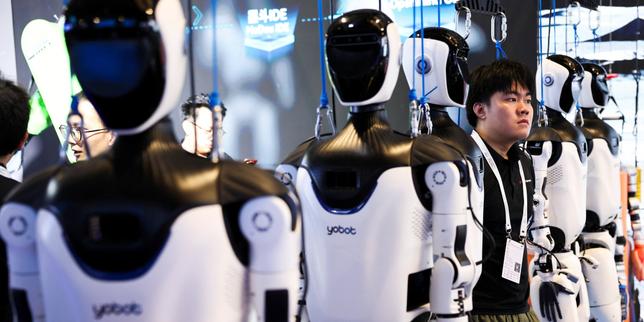
The Trump administration has implemented a ban on the importation of "advanced robotic devices," primarily manufactured in China. The administration justified this decision by stating that these robots pose "unacceptable risks to national security." This move specifically targets humanoid robots and other sophisticated automated systems. The ban is expected to significantly impact the supply chain for such technologies, particularly those relying on components or assembly from China. The stated rationale centers on potential vulnerabilities that could be exploited, affecting the country's security interests. This policy reflects a broader trend of increased scrutiny on foreign technology and its potential implications for national defense and economic stability. The specific types of robotic devices affected are those deemed "advanced," suggesting a focus on cutting-edge automation rather than simpler industrial robots. The administration's stance highlights a growing concern over the proliferation of advanced technologies and their control by foreign entities.
The U.S. ban on advanced foreign-made robots, particularly those from China, reflects a strategic pivot driven by national security concerns in an era of escalating technological competition. This policy aims to mitigate perceived risks associated with foreign-manufactured advanced robotics, potentially including espionage, intellectual property theft, or weaponization vulnerabilities. By restricting imports, the U.S. seeks to foster domestic production and secure its technological supply chain, aligning with broader geopolitical objectives. The long-term implications may include accelerated development of indigenous robotic capabilities, increased trade friction, and a bifurcated global market for advanced automation. This action underscores the critical nexus between technological advancement, economic competitiveness, and national security in the 21st century.
AI-generated to prompt reflection — not editorial opinion, not advice, not a statement of fact. How this works.