US Bans Robotic Vacuum Cleaners Over National Security Concerns
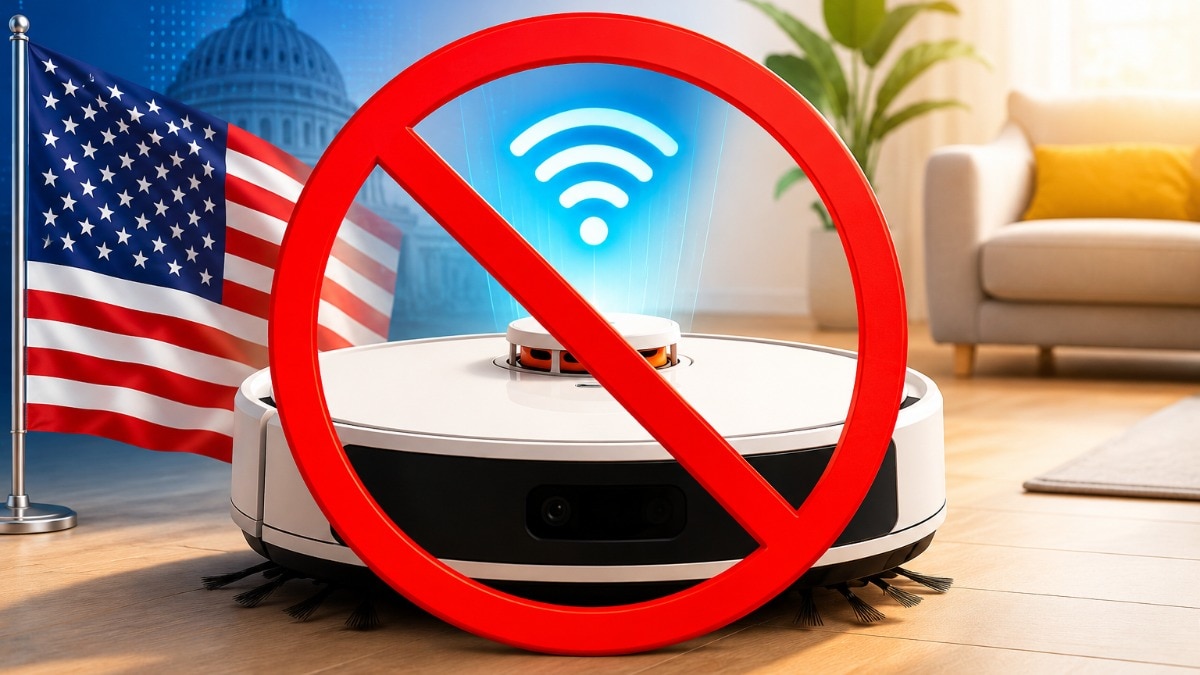
The United States has banned robotic vacuum cleaners imported from other countries, citing national security risks. The Trump administration expressed concerns that these devices could pose a threat to national security. A significant portion of robotic vacuum cleaner manufacturers are based in China, suggesting a potential focus on Chinese technology. This move reflects a broader trend of increased scrutiny over foreign-made technology and its potential implications for data privacy and security within the U.S. The administration's decision highlights ongoing geopolitical tensions and trade disputes that often intersect with technological advancements. The ban on these consumer electronics underscores the government's commitment to safeguarding sensitive information and infrastructure from potential foreign interference. Further details on the specific security vulnerabilities identified were not immediately available, but the administration's stance indicates a proactive approach to perceived threats.
The U.S. ban on robotic vacuum cleaners, particularly those manufactured by Chinese companies, reflects a strategic approach to mitigating perceived national security risks associated with data collection by consumer electronics. This action aligns with broader global trends of increased governmental oversight on technology originating from geopolitical rivals, driven by concerns over data privacy, intellectual property, and potential espionage. The administration's decision highlights the growing challenge of balancing technological innovation and consumer access with national security imperatives. Future policy decisions in this domain will likely involve complex trade-offs between fostering domestic technological development, maintaining international trade relationships, and ensuring robust cybersecurity measures against evolving threats in an increasingly interconnected world.
AI-generated to prompt reflection — not editorial opinion, not advice, not a statement of fact. How this works.