US Believes Missing Soldier Died in Iranian Attack in Jordan
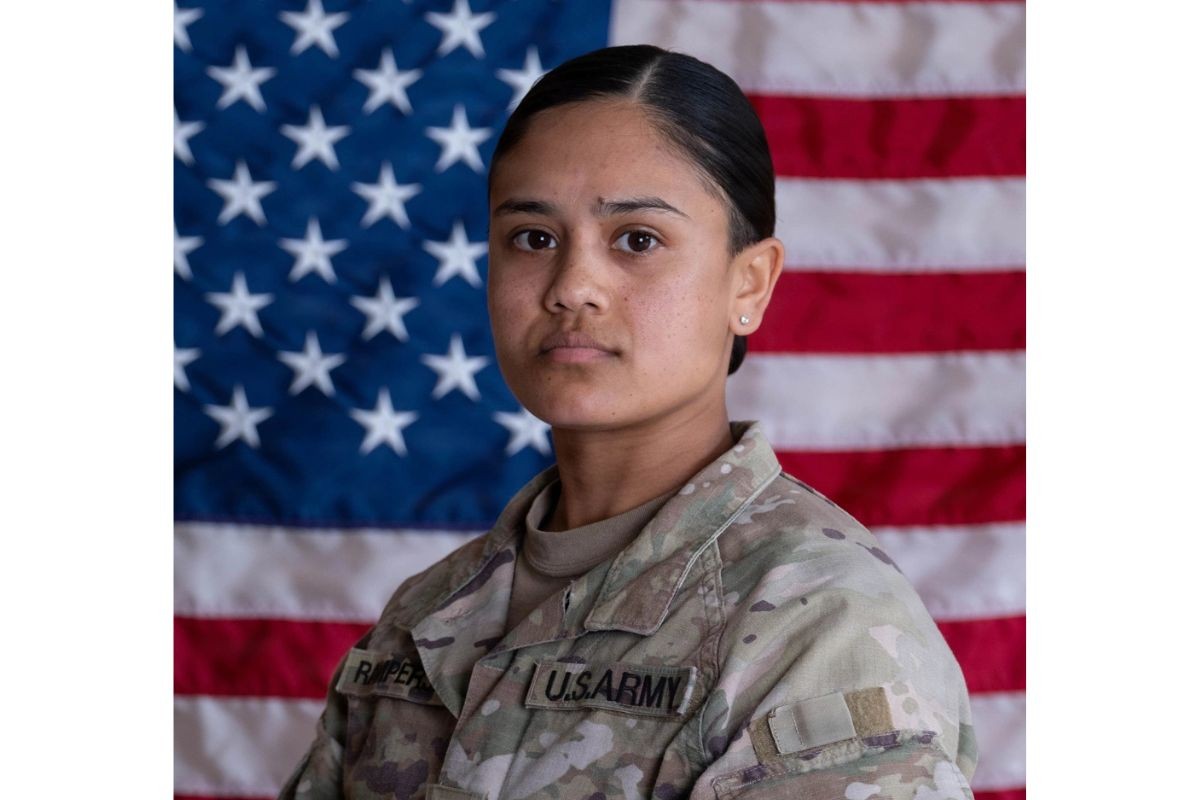
The United States announced on Tuesday evening that it now presumes a soldier missing after an Iranian attack on a military base in Jordan has died. Sergeant Angel Rampersad, 28, originally from New York, is believed by the US Army to have perished in an Iranian bombing of the Muwaffaq Salti air base in Jordan. Rampersad had been missing since the attack, which occurred on Friday, July 17th. The Department of War indicated her "whereabouts unknown" officially, suggesting her body has not yet been located but that the window for survival post-attack has passed without any word from her. Two other US soldiers, Private Isabella Gonzales, 19, and Lieutenant Tyler James Feehan, 25, died in the same Iranian attack in Jordan. If her death is confirmed, Rampersad would be the 18th US service member operating in the Middle East to be killed since the war against Iran began nearly five months ago. The US and Iran are currently in a new phase of escalation, with daily exchanges of fire for over ten days. Washington has targeted sites near the Strait of Hormuz and nuclear facilities, while Tehran has launched missiles and drones against US military bases across the Middle East. The Department of War stated that the Iranian attack and Rampersad's status are under investigation.
The US military's shift in status for Sergeant Angel Rampersad from missing to presumed deceased highlights the severe consequences of ongoing hostilities in the Middle East. This situation underscores the inherent risks faced by military personnel deployed in conflict zones, particularly during periods of heightened tensions and direct engagement between state actors. The conflict's escalation, characterized by reciprocal strikes on military installations, presents a complex geopolitical challenge. Future strategic considerations may involve reassessing force protection measures and diplomatic avenues to de-escalate regional instability and prevent further loss of life. The ongoing investigation into the attack and the soldier's fate will likely inform subsequent policy decisions and international responses.
AI-generated to prompt reflection — not editorial opinion, not advice, not a statement of fact. How this works.