US blocks Venezuelan opposition leader María Corina Machado from returning home
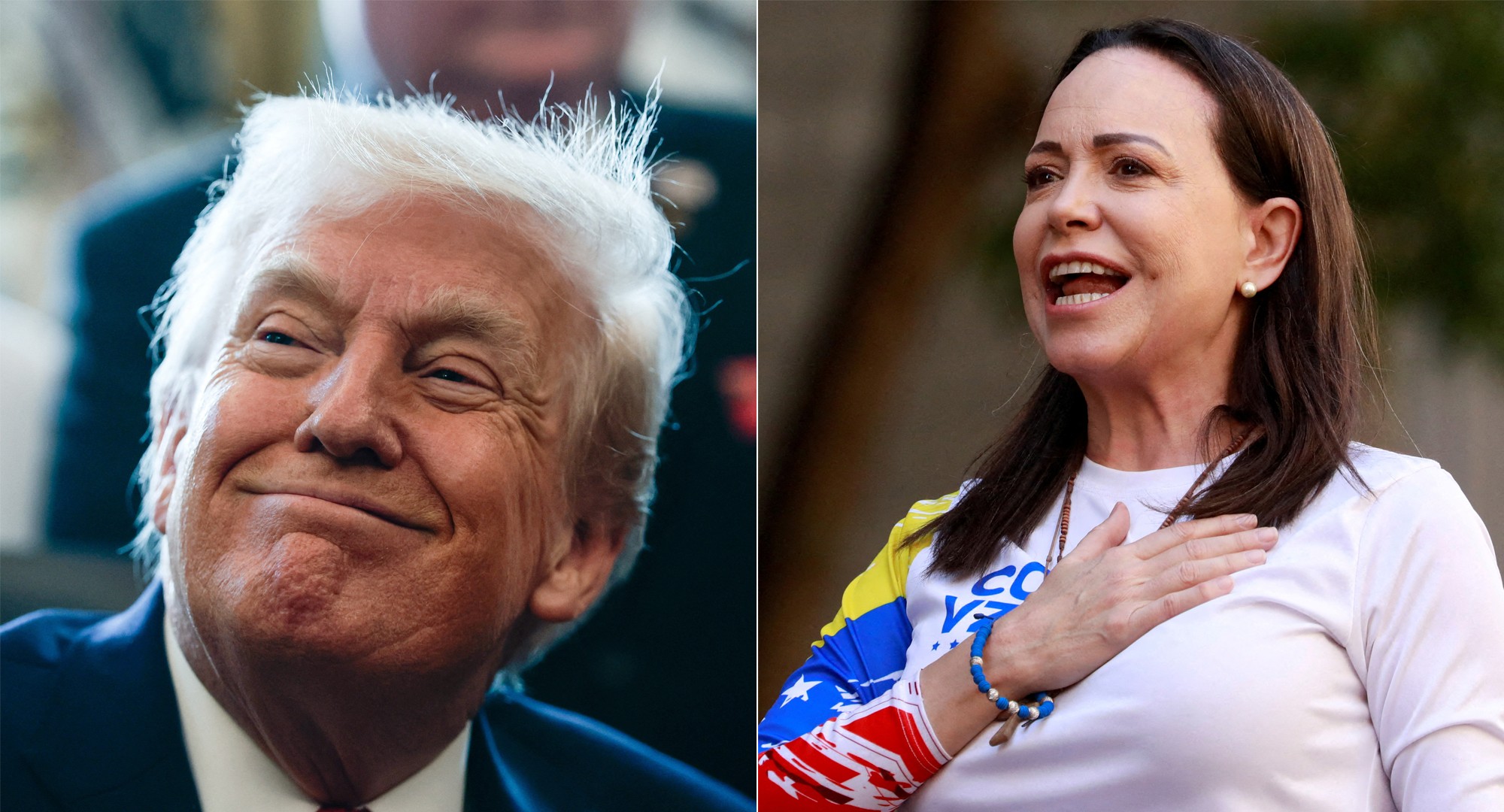
The United States government has prevented Venezuelan opposition leader María Corina Machado from returning to her country. Machado was reportedly on a private plane bound for Curaçao, from where she intended to travel to Venezuela by sea. The U.S. State Department cited that adding sensitive political issues to the current situation, following recent earthquakes that killed at least 3,500 people and devastated the nation, would be counterproductive to aid efforts. This decision effectively thwarts Machado's attempt to re-enter Venezuela, a country she had left in December with U.S. assistance to escape a clandestine situation. The report suggests this move further weakens Machado's position, despite her previous gestures of support towards Donald Trump, including offering him a Nobel Peace Prize she had received. The U.S. government's stance indicates that while they may encourage certain opposition figures, they do not necessarily prioritize their immediate return to power, especially if it could destabilize the region. The article implies that the U.S. may prefer a submissive Chavista government for perceived stability, rather than risking immediate political upheaval. Machado, who had previously blamed Caracas for her inability to return due to an invalid passport, now faces the reality of being sidelined by her supposed allies, including President Trump and Secretary of State Marco Rubio.
This event highlights the complex geopolitical maneuvering surrounding Venezuelan opposition leadership and U.S. foreign policy. The U.S. decision to block María Corina Machado's return, framed as a measure to avoid political complications amidst a humanitarian crisis, also serves to manage expectations regarding immediate power transitions. It suggests a strategic calculation by the U.S. to prioritize stability and its own interests, potentially favoring a more controlled or gradual shift in Venezuelan governance rather than an immediate, potentially disruptive, opposition takeover. This approach reflects a broader pattern of foreign policy where immediate humanitarian concerns are weighed against long-term strategic objectives and the perceived risks of political instability. The situation underscores the inherent tension between supporting democratic aspirations and maintaining regional equilibrium, particularly in the context of resource-rich nations with complex internal dynamics.
AI-generated to prompt reflection — not editorial opinion, not advice, not a statement of fact. How this works.