US Bombards Iran, Trump Demands Toll for Strait of Hormuz Passage
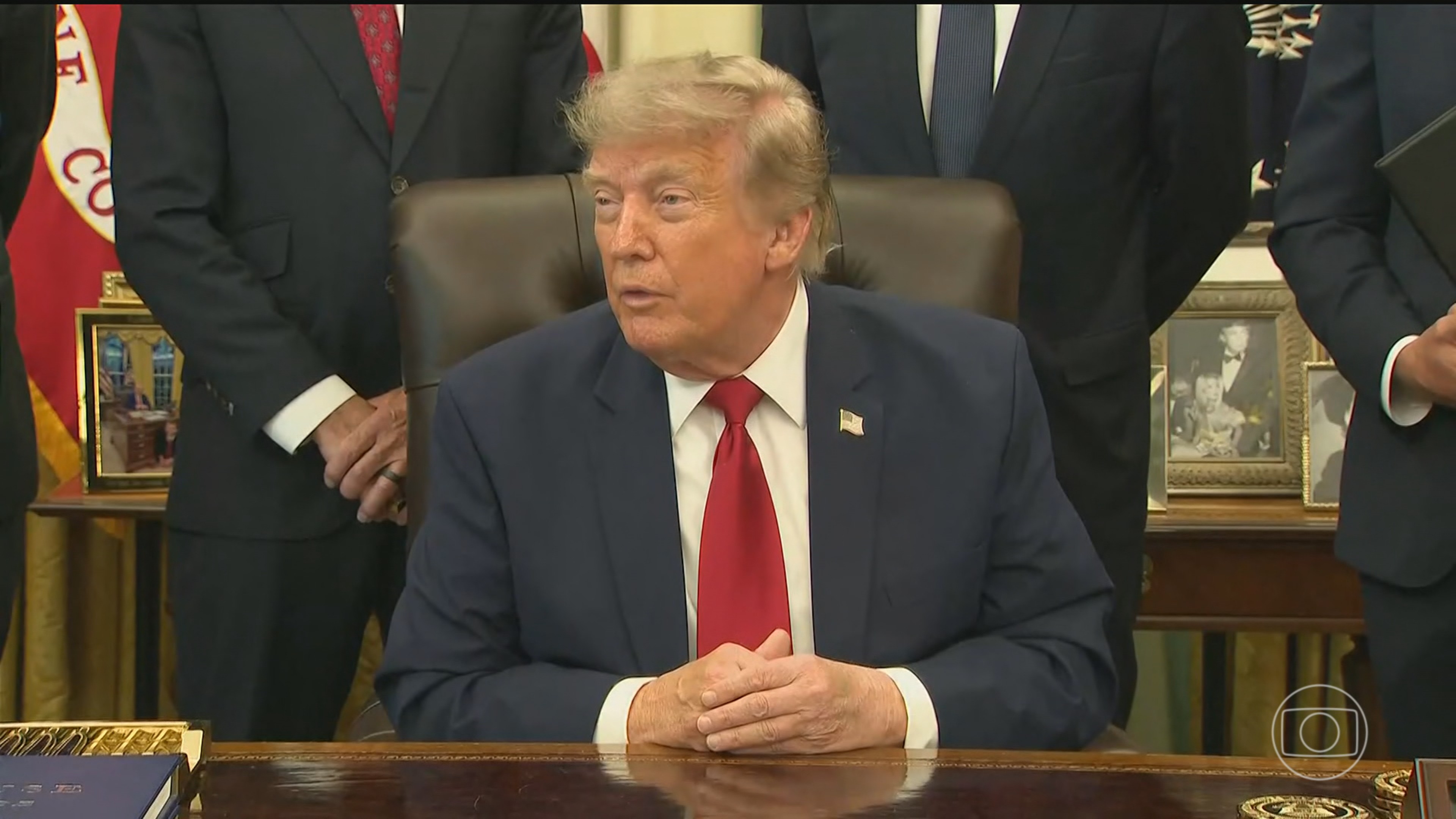
The United States launched new airstrikes against Iran on Monday night, July 13th. Earlier in the day, President Donald Trump announced a new policy to impose a toll on ships transiting the Strait of Hormuz, demanding compensation for U.S. expenses in patrolling the vital waterway. The Iranian regime reacted swiftly, declaring it would not permit American interference in the region. This move marks a significant shift, ending a 25-day period of relative peace between the two nations. Trump stated the U.S. would become "the guardian of the Strait of Hormuz," imposing a 20% levy on the value of all cargo passing through. This contradicts his previous stance against such a toll. Iran's military command responded by vowing strong resistance to any U.S. military attempts to control the strait. This marks the fourth night of U.S. airstrikes in a week, with the U.S. Central Command reporting the first use of unmanned maritime drones, targeting an Iranian naval base, ammunition depots, and air defense systems. Iran's Revolutionary Guard claimed to have struck U.S. military facilities in Bahrain and Kuwait, destroyed radar systems in Oman, and hit fuel and ammunition depots in Jordan. President Trump asserted the attacks degraded Iran's offensive capabilities and aimed to reopen the Strait of Hormuz, framing the toll as reimbursement for U.S. protection of other nations. Separately, The New York Times reported on a failed Israeli plan to involve former Iranian President Mahmoud Ahmadinejad in a post-war power grab, an operation that allegedly involved Mossad, CIA notification, and ultimately led to Ahmadinejad being placed in hiding, later reportedly under house arrest by Iranian authorities.
The U.S. imposition of a toll on Strait of Hormuz traffic and subsequent airstrikes represent a significant escalation in regional tensions. This policy shift, framed by President Trump as reimbursement for security, could be interpreted as a strategic move to exert economic leverage and control over a critical global chokepoint. Iran's defiant response signals a high potential for further conflict, potentially disrupting global energy markets. The reported Israeli covert operation involving former Iranian leadership highlights the complex, multi-actor dynamics at play, suggesting a broader, shadow conflict alongside overt military actions. Future geopolitical stability hinges on de-escalation and diplomatic engagement, as continued military posturing risks wider regional destabilization and humanitarian consequences.
AI-generated to prompt reflection — not editorial opinion, not advice, not a statement of fact. How this works.