US Budget Deficit Swells by $120 Billion in June Due to Import Duty Refunds
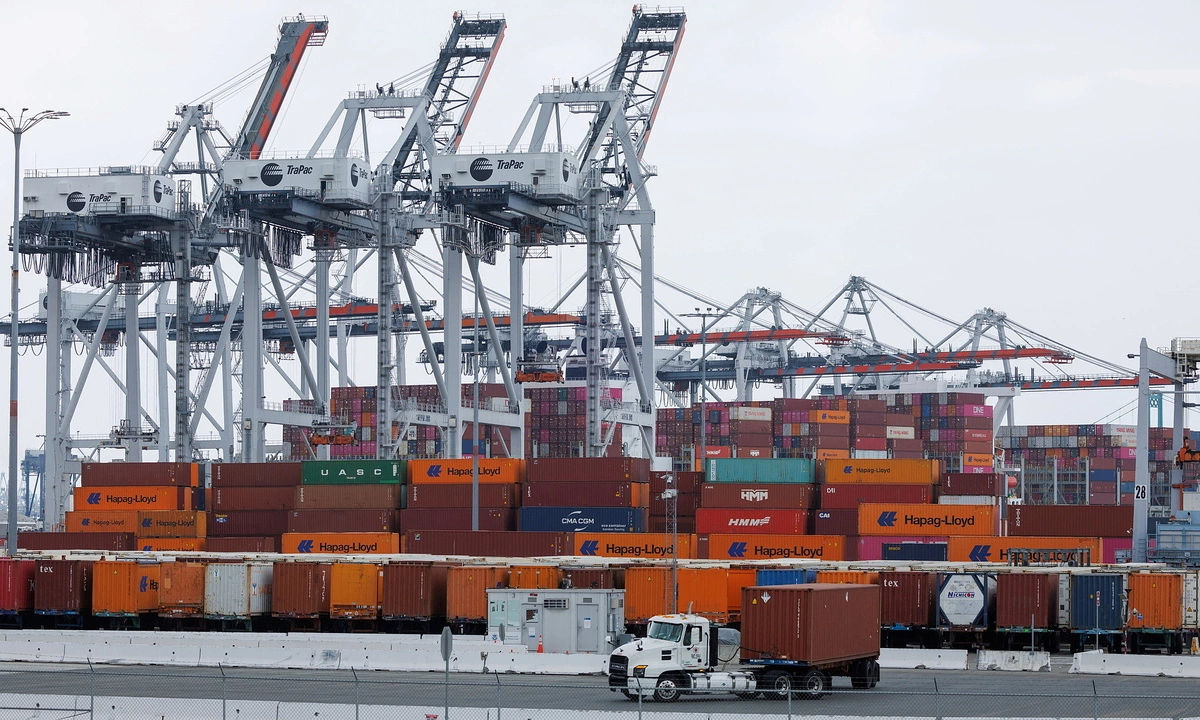
The United States experienced a significant budget deficit of $120 billion in June, according to the US Department of the Treasury. This substantial shortfall was primarily driven by an increase in import duty refunds. These refunds, which are payments made back to importers, effectively reduced government revenue. The surge in these payments contributed directly to the widening gap between government spending and income for that month. This fiscal event highlights the impact of trade-related financial mechanisms on the overall national budget. The exact nature and scale of the import duty refunds were the key factors influencing the June deficit.
The increase in import duty refunds suggests a potential shift in trade policy or a correction of prior tariff assessments. From a fiscal perspective, such refunds represent a reduction in government revenue, directly impacting the budget balance. Analyzing the underlying causes, such as changes in trade agreements, overpaid tariffs, or specific industry relief measures, is crucial for understanding the long-term implications. This event underscores the sensitivity of government finances to the dynamics of international trade and the mechanisms used to administer tariffs. Future budgetary planning may need to account for greater volatility in revenue streams influenced by such refund processes, especially in the context of evolving global trade relations and potential tariff adjustments.
AI-generated to prompt reflection — not editorial opinion, not advice, not a statement of fact. How this works.