US Businesses Favor Chinese AI Due to Lower Costs
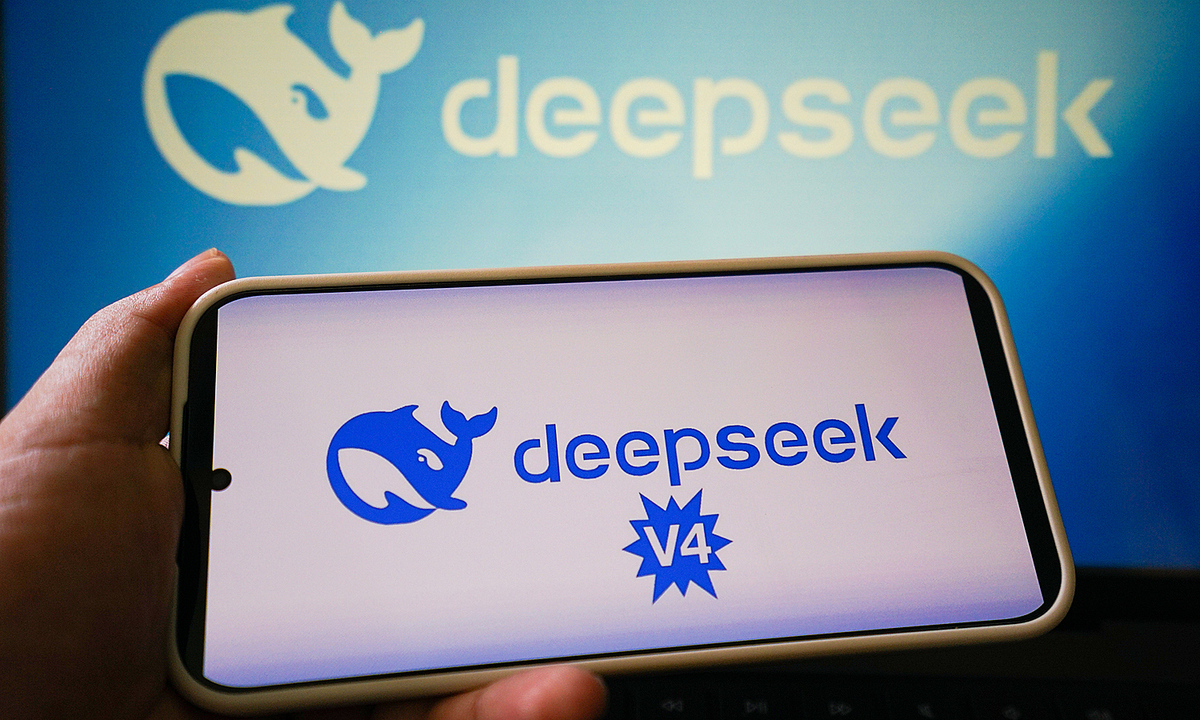
Chinese AI models are gaining popularity among American businesses primarily because of their significantly lower prices compared to leading US products. These models are increasingly demonstrating strong performance, making them an attractive option for cost-conscious companies. The trend suggests a growing market for affordable yet capable AI solutions. While US AI technology often leads in innovation, the economic advantage offered by Chinese alternatives is proving to be a compelling factor for adoption. This dynamic highlights the global competition in the AI sector, where price point is becoming as crucial as technological superiority for market penetration. Businesses are weighing the performance benchmarks against the investment required, finding the Chinese offerings to be a viable and cost-effective choice. The demand for these AI models indicates a strategic shift in procurement, prioritizing value for money without a substantial compromise on functionality. This development could influence future pricing strategies and product development within the AI industry worldwide.
The increasing adoption of Chinese AI models by US businesses, driven by cost advantages, reflects a common market dynamic where price competitiveness can offset perceived technological gaps. This trend underscores the globalized nature of technology supply chains and the strategic importance of cost-efficiency in emerging fields like artificial intelligence. Companies are likely evaluating the total cost of ownership, including licensing, implementation, and ongoing support, against the performance metrics of various AI solutions. The situation presents a challenge for US AI developers to balance innovation with affordability, potentially spurring new pricing models or tiered product offerings. Looking ahead, this could foster a more diversified AI market, where regional strengths in cost or innovation coexist, influencing international trade policies and R&D investments over the next decade.
AI-generated to prompt reflection — not editorial opinion, not advice, not a statement of fact. How this works.