US Buys Yen: More Than Just Friendship, Analysts Say
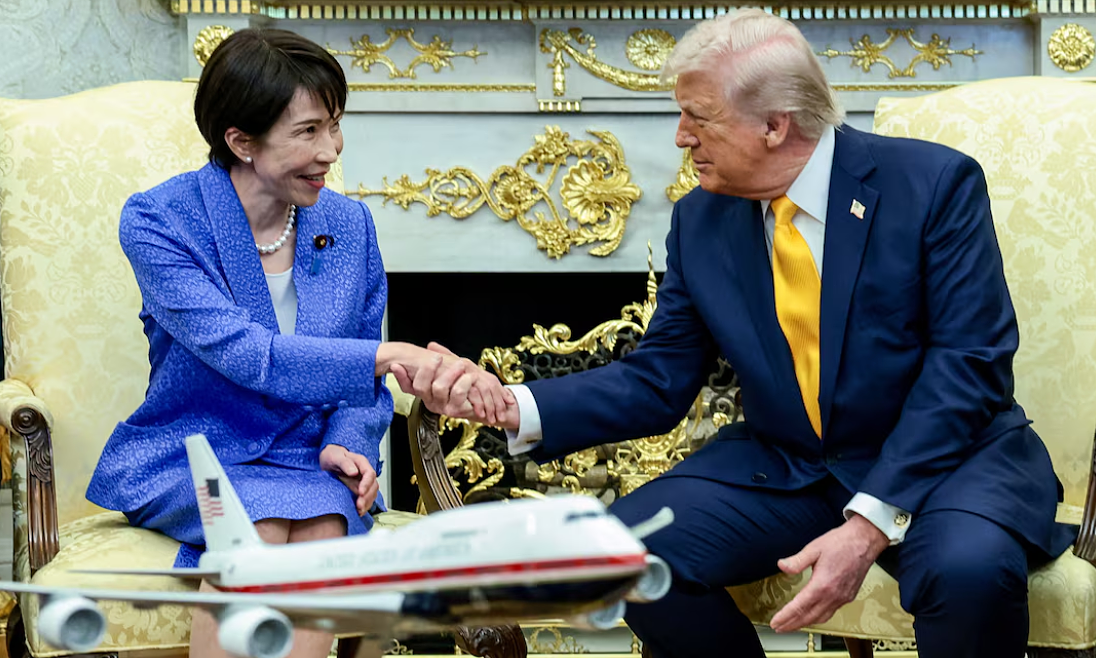
Analysts suggest that the United States' recent purchase of Japanese yen involves strategic calculations beyond mere "friendship," as claimed by former President Donald Trump. The move, which saw the U.S. acquire yen, is interpreted by experts as having deeper implications for both economies and the broader geopolitical landscape. While the stated reason might be to support Japan's currency, the underlying motivations are believed to be more complex. This intervention in the currency markets could signal a shift in international financial strategies or a response to specific economic pressures. The decision to buy yen is being scrutinized for its potential impact on exchange rates, trade balances, and the overall stability of global financial systems. Further analysis is expected to reveal the precise economic and political objectives behind this significant financial maneuver.
The U.S. intervention in the yen market, framed publicly as a gesture of goodwill, warrants examination through the lens of economic statecraft. Such actions often reflect a complex interplay of national economic interests, including managing currency valuations to influence trade competitiveness and capital flows. The decision to purchase yen may be driven by incentives to stabilize regional financial markets, mitigate potential contagion effects from currency volatility, or align with broader strategic objectives concerning global economic power dynamics. Evaluating this move requires considering the potential trade-offs between short-term market stability and long-term implications for international monetary policy coordination, particularly as technological advancements and geopolitical shifts continue to reshape global economic structures.
AI-generated to prompt reflection — not editorial opinion, not advice, not a statement of fact. How this works.
