US Calls Brazil's Military Action Risk Assessment 'Absurd'
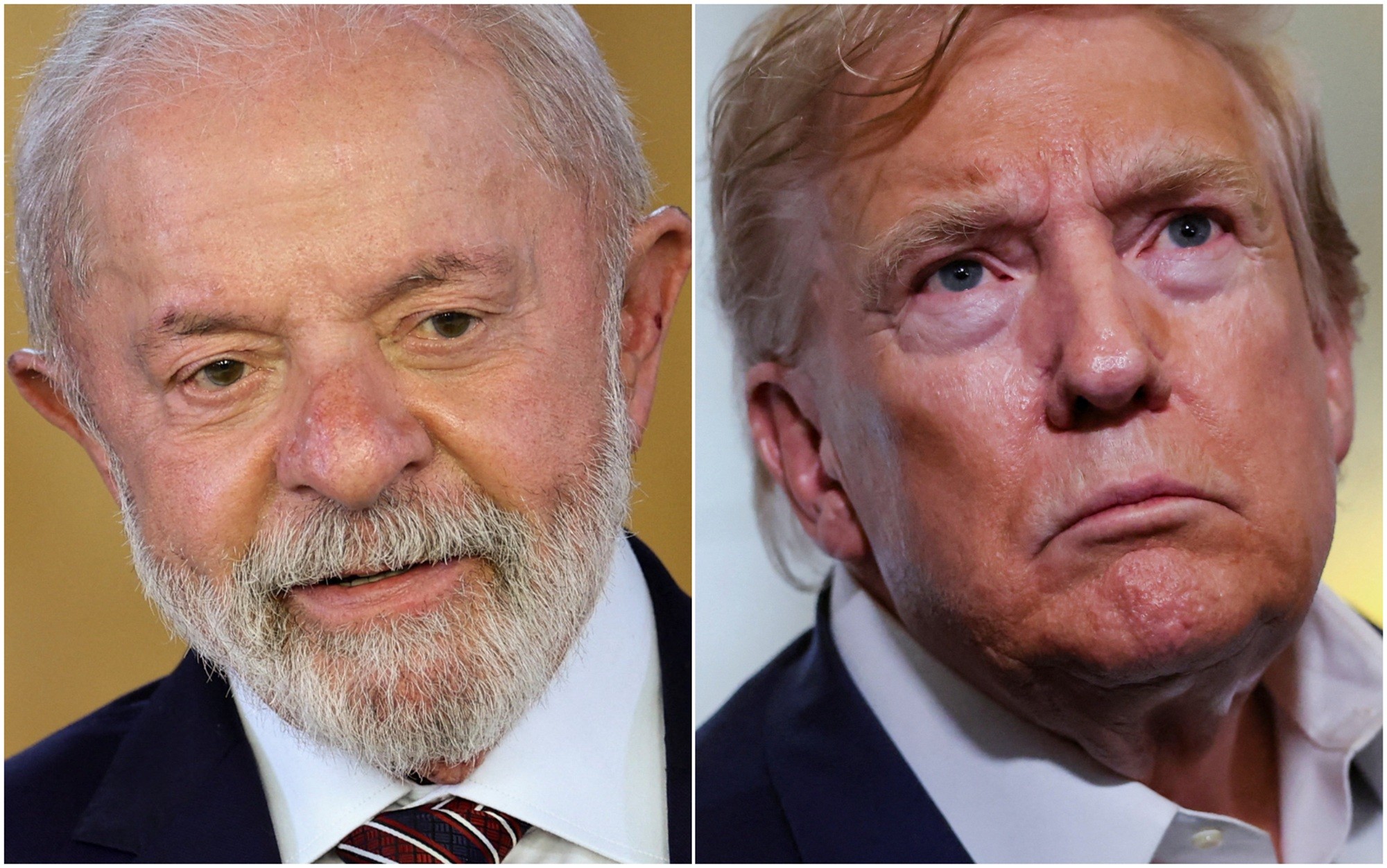
The United States has dismissed as "absurd" Brazil's assessment that designating the Red Command (CV) and the First Capital Command (PCC) as terrorist organizations could open the door for U.S. military action in Brazil. A State Department spokesperson stated on Tuesday, July 7, that the U.S. is taking measures based on its own legislation to combat these groups, which are now operating within the United States. The spokesperson emphasized that the U.S. will defend its people from these "narco-terrorists" and suggested that vague allegations of intervention are often used to aid violent groups. This statement comes after the U.S. State Department designated the PCC and CV as terrorist organizations in June, a move that reportedly contradicted requests from the Brazilian federal government. On July 2, Brazil's Minister of Foreign Affairs, Mauro Vieira, informed the Chamber of Deputies that there is a risk of potential U.S. military action on Brazilian territory. Minister Vieira's document, in response to a request for information from Congressman Evair de Melo, outlined this risk as a possible consequence of the U.S. classification. According to Vieira, Brazil was not formally notified of the U.S. decision before its public announcement. Brazil opposed the classification, believing it would offer no benefits and could lead to negative consequences, including the potential invocation of extraterritorial actions against Brazilian institutions and the risk of U.S. military force deployment. Last week, the Trump administration announced its first round of economic sanctions against two Brazilians, three Brazilian companies, and one Portuguese company linked to the PCC, freezing assets and restricting transactions.
The U.S. designation of Brazilian criminal factions as terrorist organizations, and Brazil's subsequent concern over potential U.S. military intervention, highlights a divergence in national security perspectives and legal frameworks. The U.S. action, framed within its sovereign right to combat narco-terrorism affecting its populace, contrasts with Brazil's apprehension regarding unilateral extraterritorial actions and potential infringements on sovereignty. This situation underscores the complex interplay between international law, domestic legislation, and national interests, particularly when combating transnational crime. Future diplomatic engagements will likely focus on establishing clearer protocols for information sharing and coordinated action to mitigate risks of misinterpretation and ensure mutual respect for sovereign boundaries in counter-terrorism efforts.
AI-generated to prompt reflection — not editorial opinion, not advice, not a statement of fact. How this works.