US Campaign Aims to Dismantle International Criminal Court
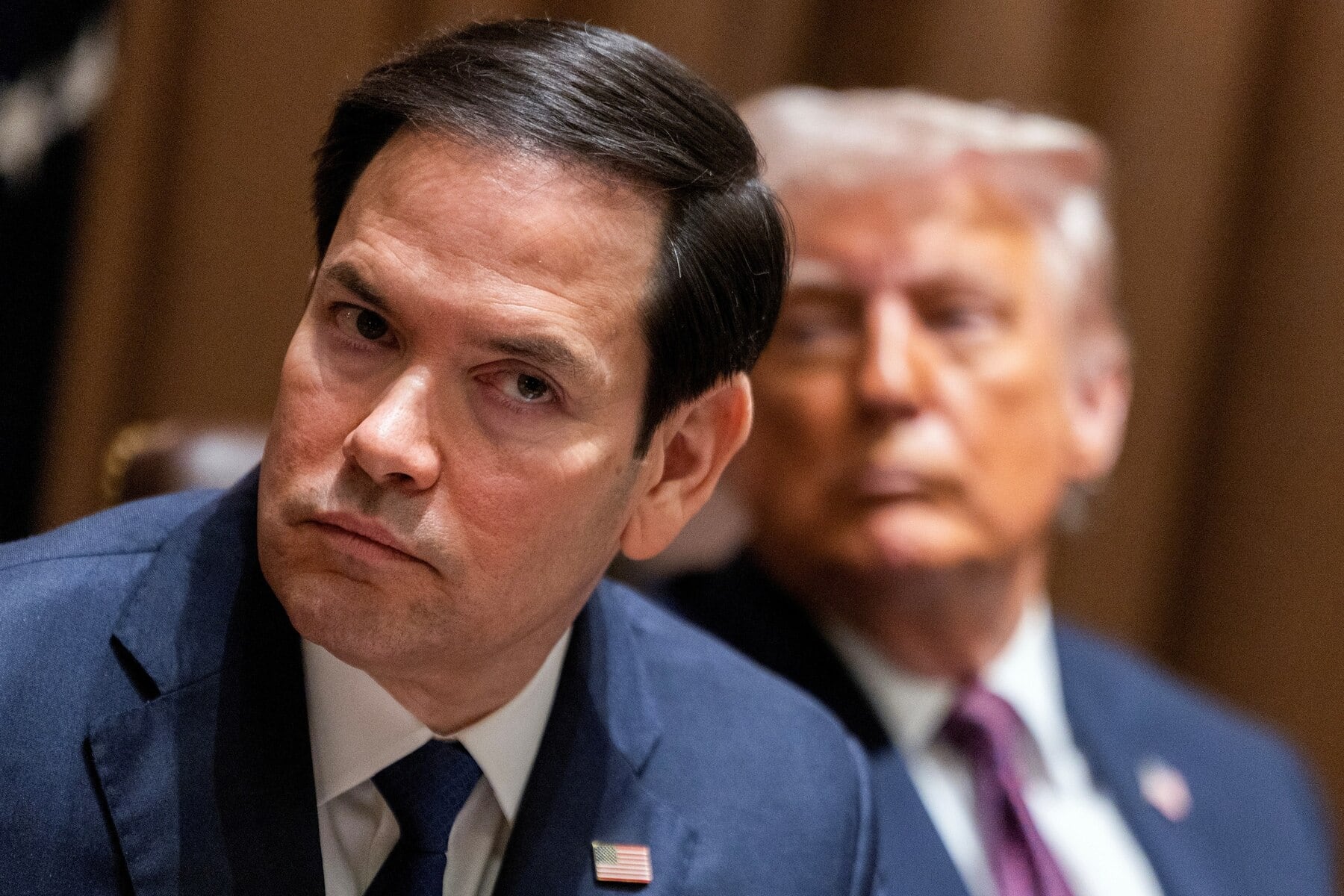
U.S. Secretary of State Marco Rubio has announced a campaign to disable the International Criminal Court (ICC). Rubio is urging the country's partners to turn their backs on the institution. Legal experts, however, warn that the true objective behind this campaign is to ensure impunity. They suggest that the U.S. initiative seeks to undermine the court's authority and ability to investigate and prosecute international crimes. This move by the U.S. administration signals a significant challenge to the international legal order and the principles of accountability it upholds. The campaign's success could weaken the ICC's role in deterring future atrocities and holding perpetrators accountable on a global scale. The legal community is closely watching this development, with many expressing concern over the potential ramifications for international justice.
The U.S. campaign against the ICC, as articulated by Secretary of State Marco Rubio, presents a critical juncture for international justice mechanisms. The stated goal of disabling the court, contrasted with legal experts' interpretation of seeking impunity, highlights a fundamental tension between national sovereignty and global accountability frameworks. This dynamic raises questions about the incentives for powerful states to engage with or circumvent international legal bodies, particularly when their own actions or those of their allies may come under scrutiny. In the evolving geopolitical landscape of the next decade, such challenges to multilateral institutions could either lead to their reform and strengthening, or to fragmentation and a decline in their effectiveness, potentially creating a more fractured international legal order.
AI-generated to prompt reflection — not editorial opinion, not advice, not a statement of fact. How this works.