US Central Command Chief Advised Halting Attacks in Strait of Hormuz Due to Declining Effectiveness
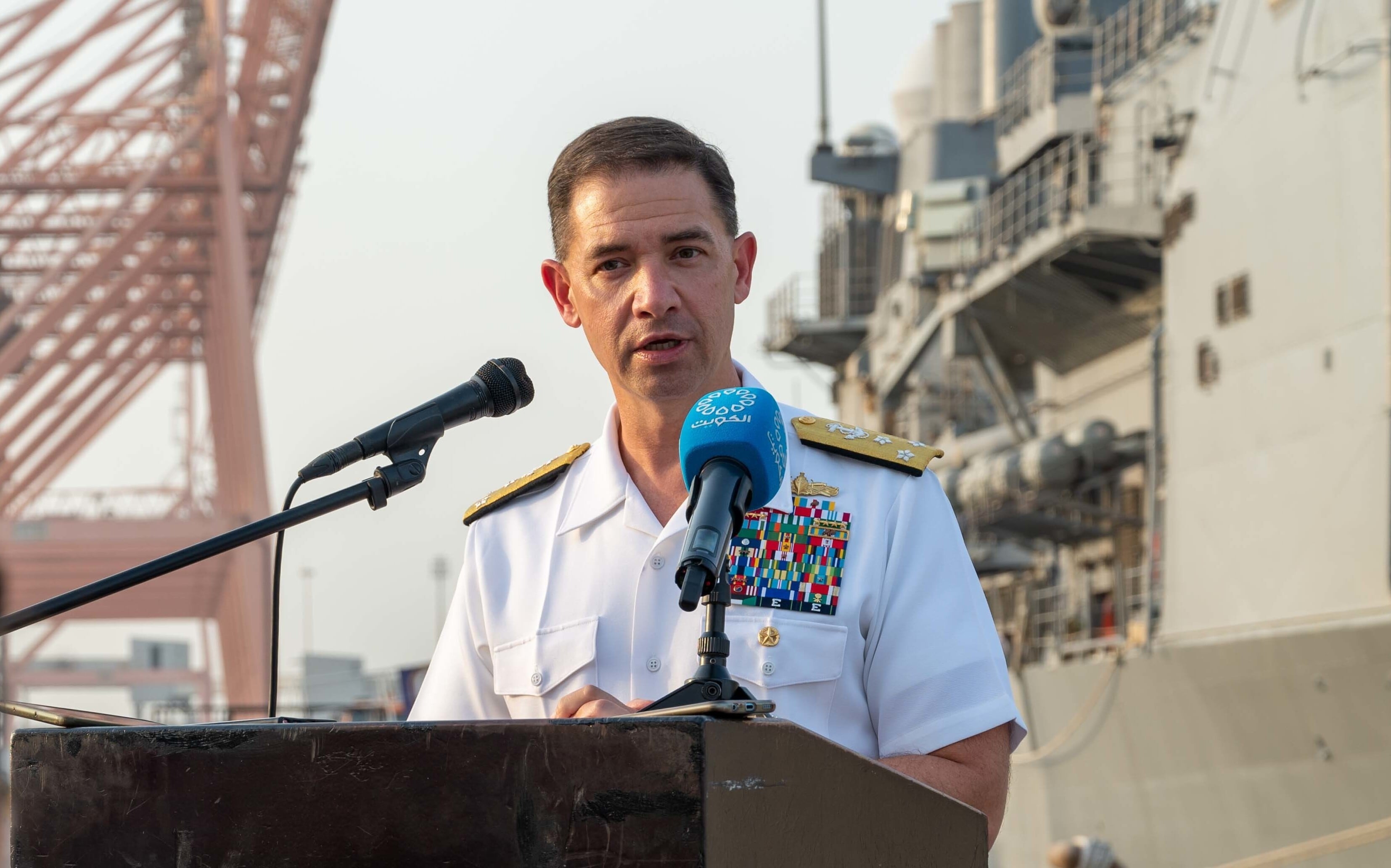
Admiral Brad Cooper, head of the U.S. Central Command, recommended halting airstrikes in the Strait of Hormuz, citing a decline in their effectiveness. Cooper reported that two weeks of American airstrikes had diminished Tehran's capacity to threaten maritime traffic in the strategically vital waterway. His advice reportedly played a direct role in President Trump's decision to suspend offensive operations against Iran starting Friday. This strategic reassessment suggests a shift in U.S. military posture based on the perceived impact of prior actions on Iran's capabilities.
The reported recommendation to cease airstrikes in the Strait of Hormuz, based on diminishing effectiveness, highlights the critical importance of continuous strategic evaluation in military operations. This situation underscores the dynamic interplay between offensive actions and adversary adaptation, suggesting that sustained pressure may require evolving tactics to maintain strategic advantage. The decision-making process, if accurately reflected, points to a pragmatic approach prioritizing resource allocation and impact over prolonged, less effective engagements. Future strategic planning may benefit from incorporating more robust mechanisms for assessing and adapting to the evolving threat landscape in critical global chokepoints.
AI-generated to prompt reflection — not editorial opinion, not advice, not a statement of fact. How this works.