US Central Command Denies Iran Controls Strait of Hormuz, Cites Open Navigation
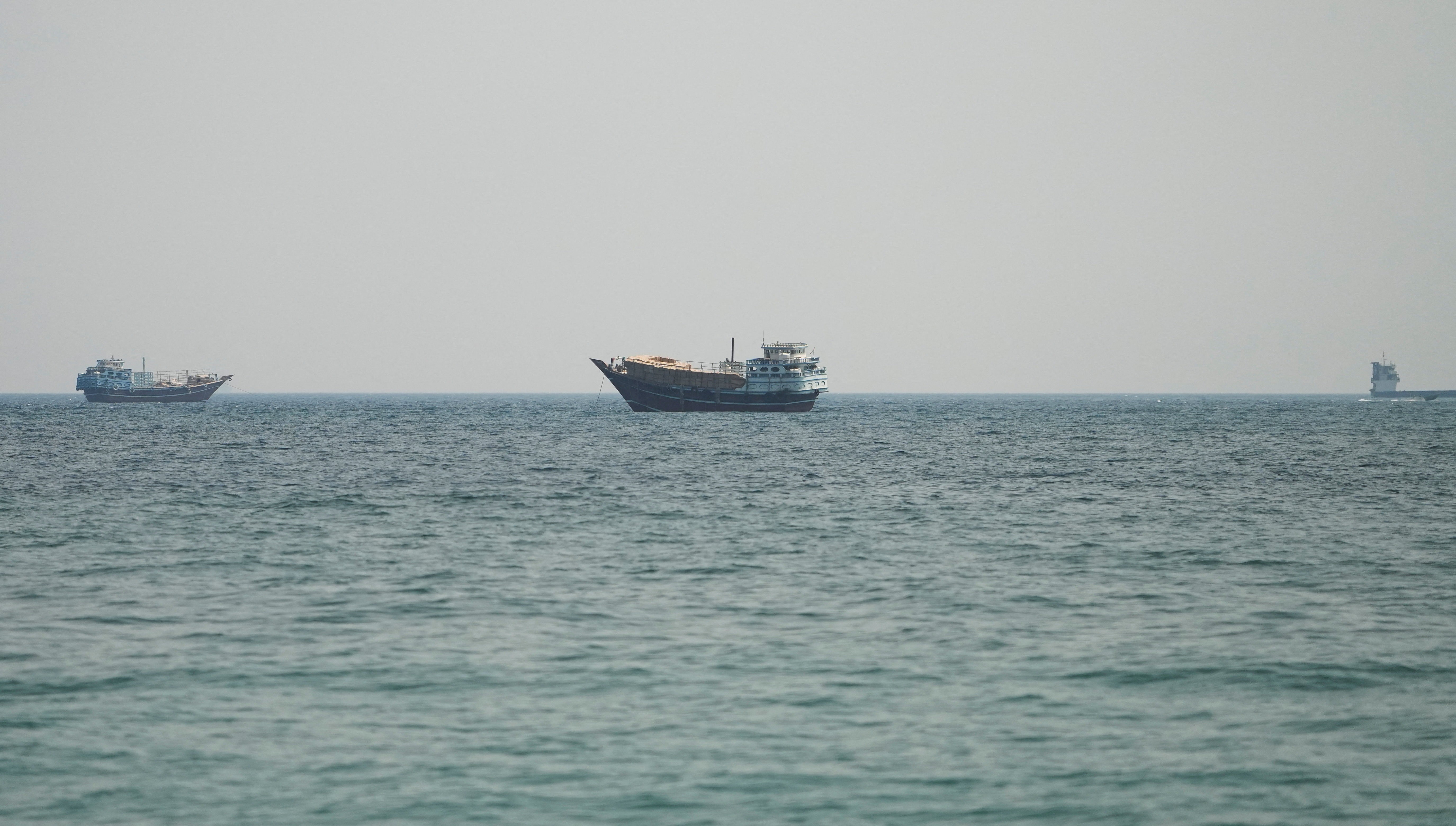
The United States Central Command (CENTCOM) has refuted claims that the Strait of Hormuz is closed and asserted that Iran does not control this vital international waterway. In a statement on Sunday, May 12th, CENTCOM, responsible for US operations in the Middle East and parts of Asia, declared its forces are positioned to ensure freedom of navigation. They condemned what they termed "unjustified Iranian aggression, harassment, threats, and arbitrary declarations," emphasizing that the Strait remains open for lawful transit and that traffic is flowing freely. This statement follows Iran's Revolutionary Guard Corps' earlier assertion that the Strait was closed again and that warning shots had been fired at vessels. The incident involved the GFS Galaxy, which sustained a fire after being fired upon approximately 17 km east of Oman's Musandam Peninsula, according to the UK Maritime Trade Operations. Twenty-three crew members were rescued, but one remains missing. Iran's Revolutionary Guard claimed the vessel compromised maritime safety by disabling its systems and that the Strait would remain closed until further notice. The situation is escalating amid broader regional tensions, with Iran also reporting attacks on US-linked targets in Jordan, Kuwait, Oman, and Qatar. The US, in turn, stated it had struck 140 Iranian military targets in response to Iran's actions.
The conflicting narratives surrounding the Strait of Hormuz highlight the strategic importance of maritime chokepoints in geopolitical contests. The US assertion of open passage and denial of Iranian control suggests a focus on maintaining global trade routes and projecting military readiness. Conversely, Iran's claims of closure and defensive actions may serve to assert sovereignty, deter perceived external threats, or signal resolve to domestic and international audiences. The ensuing diplomatic exchanges and military posturing underscore the delicate balance of power in the region and the potential for miscalculation. Future de-escalation will likely depend on the effectiveness of ongoing diplomatic efforts, mediated by countries like Oman and Qatar, and the adherence to international maritime law, particularly concerning freedom of navigation and the peaceful resolution of disputes.
AI-generated to prompt reflection — not editorial opinion, not advice, not a statement of fact. How this works.