US-China AI competition shifts focus to electricity costs
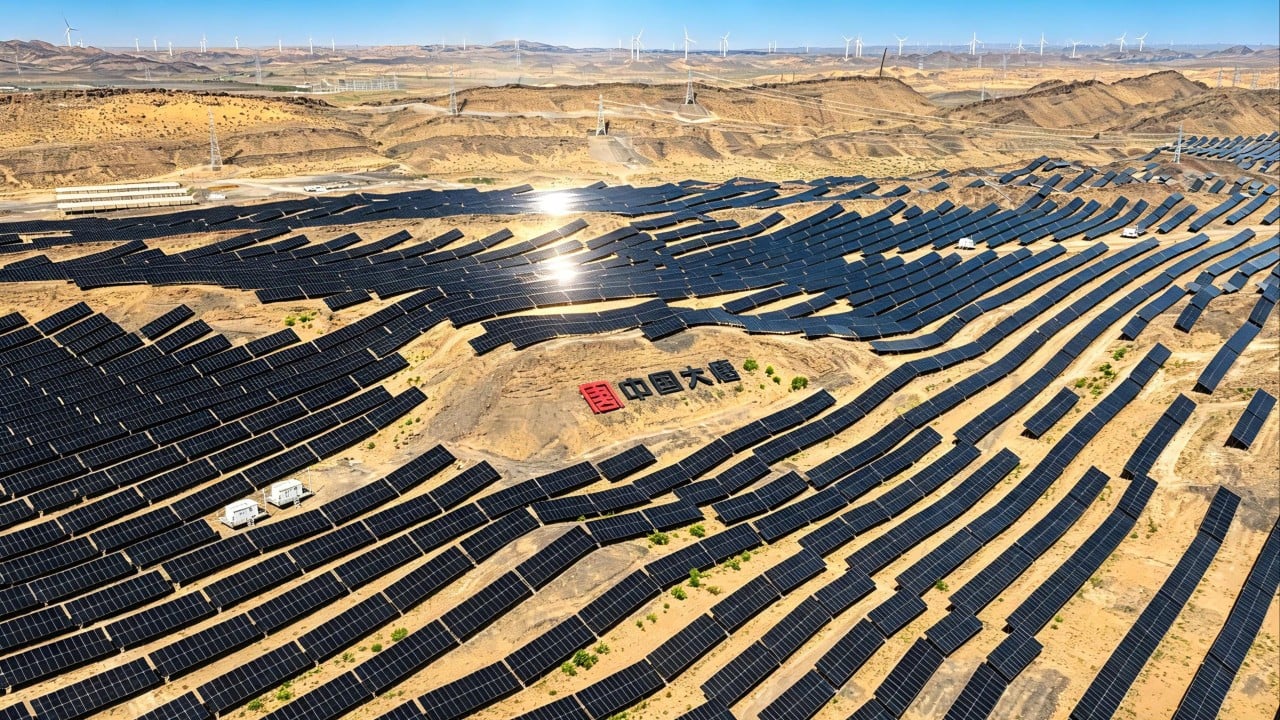
The escalating competition between the United States and China in the field of artificial intelligence is increasingly centering on a fundamental resource: electricity. As AI models become more widespread and their performance capabilities reach a level of parity, AI services are expected to transition from being priced based on model uniqueness to being dictated by their operational costs. Electricity represents the primary cost associated with running these AI services, thus transforming the strategic AI race into a direct competition over electricity generation capacity and pricing. This dynamic is particularly evident in China, where open-source AI models are rapidly emerging. The underlying economic reality suggests that the nation with more affordable and abundant electricity will hold a significant advantage in the future development and deployment of AI technologies.
The evolving landscape of AI development, marked by the increasing commoditization of models and the growing importance of operational costs, highlights a critical strategic pivot. The focus on electricity as a primary cost driver underscores the intersection of technological advancement and fundamental resource management. This shift suggests that future geopolitical and economic advantages in AI may be determined not solely by innovation in algorithms or hardware, but by a nation's capacity to secure and manage energy resources efficiently and affordably. This presents a challenge for policymakers to consider long-term energy infrastructure investments and pricing strategies as integral components of national competitiveness in the AI era.
AI-generated to prompt reflection — not editorial opinion, not advice, not a statement of fact. How this works.