US-China AI Race Fuels Escalating Undersea Cable Competition
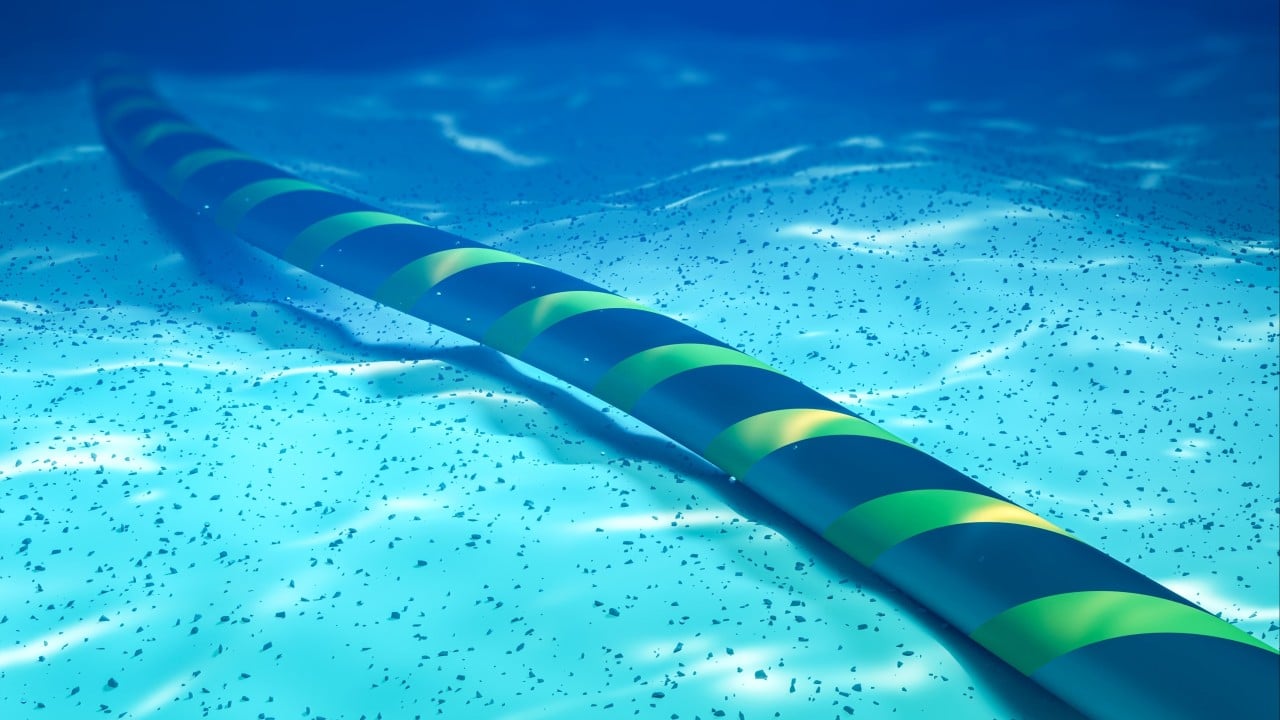
The global surge in Artificial Intelligence development has intensified the technological rivalry between the United States and China, extending it to a critical battle over undersea fiber-optic cables. These cables are essential for the massive cross-border data transfers required to power and train advanced AI systems. The competition now centers on controlling these vital network ecosystems, which are responsible for transmitting approximately 99 percent of intercontinental data at high speeds. China has publicly accused the US of politicizing the global undersea cable infrastructure. This accusation comes in the wake of reports detailing US actions and concerns regarding these networks.
The escalating competition over undersea fiber-optic cables highlights a critical vulnerability in the global digital infrastructure, exacerbated by the AI boom. As nations recognize the strategic importance of data flow for technological dominance, control over these physical conduits becomes a key geopolitical lever. This dynamic suggests a future where digital infrastructure is increasingly securitized, potentially leading to bifurcated global networks. The tension between open data access for innovation and national security concerns over data sovereignty presents a complex governance challenge. Future developments will likely involve increased investment in alternative data transmission methods and a continued struggle for influence over existing subsea cable routes.
AI-generated to prompt reflection — not editorial opinion, not advice, not a statement of fact. How this works.