US, China, and Russia Engage in Space Warfare: How Satellites Became Modern Warfare's First Strike
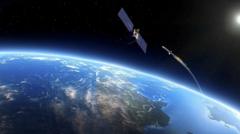
In contemporary warfare, artificial satellites orbiting Earth have largely remained unscathed. However, as the 21st century progresses, space may no longer be a secure sanctuary. The strategic importance of space assets has escalated significantly, making them potential primary targets in future conflicts. This shift indicates a new era where the initial moves in a war could be launched from or against space-based infrastructure. The involvement of major global powers like the United States, China, and Russia highlights the growing geopolitical tension in this domain. The development of anti-satellite capabilities and the increasing reliance on space for military and civilian purposes have created a volatile environment. Consequently, the potential for conflict in space is a growing concern for international security. The question of how satellites have become the first strike in modern warfare underscores the evolving nature of military strategy and the critical role of space in global affairs.
The increasing militarization of space signifies a critical inflection point in global security dynamics. As nations like the US, China, and Russia develop and deploy advanced space capabilities, the potential for conflict in this domain escalates. The strategic imperative to protect or neutralize space-based assets, such as communication and surveillance satellites, could lead to preemptive actions. This evolving landscape presents a complex challenge for international governance and arms control, as existing frameworks may not adequately address the realities of space warfare. The long-term implications for global stability depend on fostering transparency, establishing clear norms of behavior, and pursuing diplomatic solutions to mitigate the risks of escalation in the 21st-century space domain.
AI-generated to prompt reflection — not editorial opinion, not advice, not a statement of fact. How this works.