US, China, and Russia's Space Competition: Satellites as Modern Warfare's First Strike
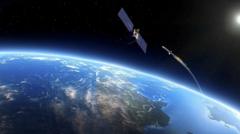
In contemporary warfare, artificial satellites orbiting Earth have largely remained untouched. However, this perception is shifting as space emerges as a potential new frontier for conflict in the 21st century. The increasing reliance on space-based assets for communication, navigation, intelligence, and reconnaissance means that disrupting or destroying these satellites could offer a decisive first strike advantage. This dynamic raises significant concerns about the militarization of space and the potential for escalation. The United States, China, and Russia are all actively developing capabilities that could be used in space warfare. The vulnerability of these critical assets highlights the need for international dialogue and agreements to ensure the peaceful use of space and prevent a new arms race. The potential consequences of a conflict in space could be catastrophic, not only for military operations but also for civilian infrastructure that relies on satellite technology. Therefore, understanding the evolving landscape of space power and its implications for global security is paramount.
The evolving strategic importance of space-based assets signifies a critical inflection point for global security. As nations increasingly integrate satellites into military and civilian infrastructure, the potential for space to become a domain of conflict grows. This shift necessitates a re-evaluation of international norms and treaties governing space, moving beyond the Cold War-era frameworks. The development of anti-satellite capabilities by major powers like the US, China, and Russia introduces complex deterrence dynamics and raises the specter of cascading debris, which could render orbital space unusable for generations. Future governance models must balance national security interests with the imperative to maintain space as a shared global commons, fostering cooperation to mitigate risks and ensure long-term sustainability.
AI-generated to prompt reflection — not editorial opinion, not advice, not a statement of fact. How this works.
