US-China Financial Ties Complicate Decoupling Talk
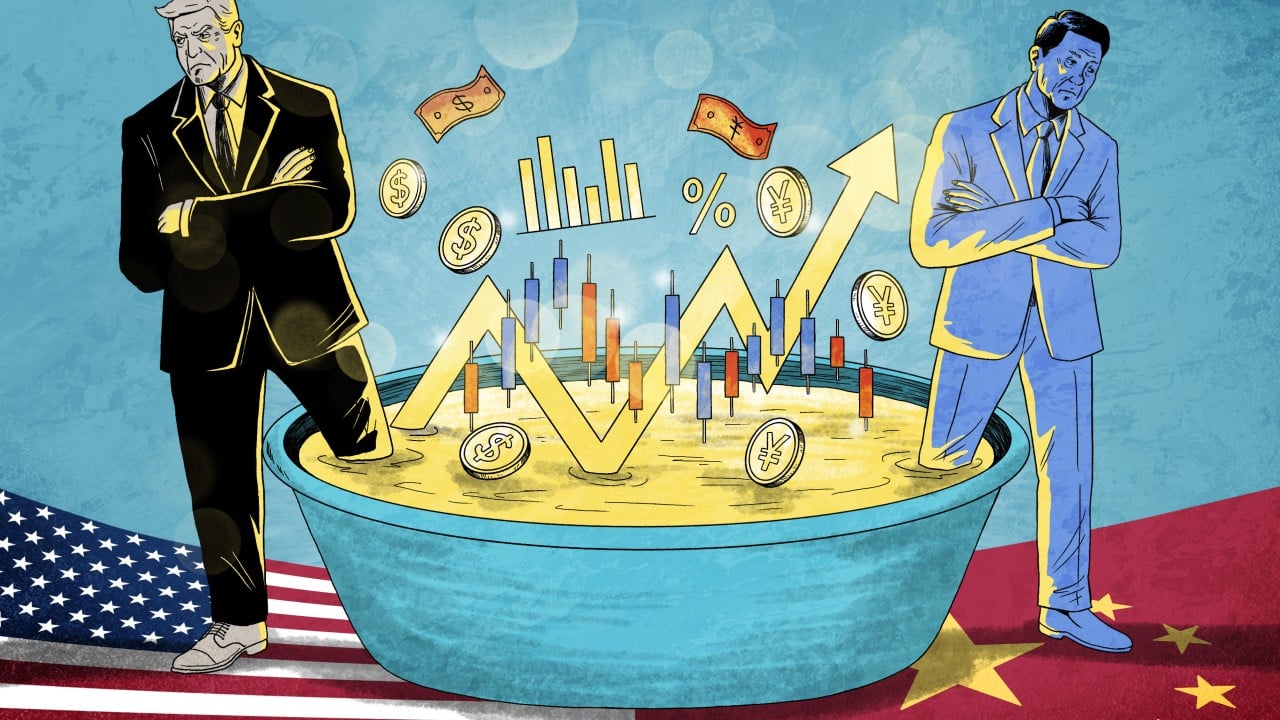
As the United States approaches its 250th anniversary, its relationship with China is central to the evolving global order. This series explores various aspects of these ties, from technology to cultural influence. This specific article, by Sylvia Ma, delves into the intricate financial connections between the US and Chinese economies, highlighting the challenges of a complete separation. The deep integration of financial markets and investment flows makes a clean break increasingly difficult for both nations. The article references a significant visit by the then-chairman of the New York Stock Exchange to Beijing in 1986, underscoring the long history of financial engagement. These enduring links suggest that while decoupling is a frequent topic of discussion, its practical implementation faces substantial hurdles. The complexity of these financial interdependencies implies that any move towards separation will likely be gradual and carefully managed, rather than a sudden, decisive break. The article aims to shed light on the economic realities that underpin the geopolitical discourse surrounding US-China relations.
The persistent discussion around US-China decoupling, despite significant financial interdependencies, suggests a strategic tension between geopolitical objectives and economic realities. While political rhetoric may push for separation in certain sectors, the deeply interwoven financial systems present a formidable barrier to a complete break. This dynamic raises questions about the feasibility and potential consequences of partial decoupling strategies. The long-standing financial engagement, as evidenced by historical events like the 1986 NYSE visit, indicates that economic integration has been a deliberate, long-term process. Any future adjustments will likely involve navigating complex trade-offs between national security concerns, economic competitiveness, and the stability of global financial markets. The challenge lies in managing these diverging pressures without triggering unintended systemic risks over the next decade.
AI-generated to prompt reflection — not editorial opinion, not advice, not a statement of fact. How this works.