US-China Relations Stable Despite Trump's Election Interference Claims
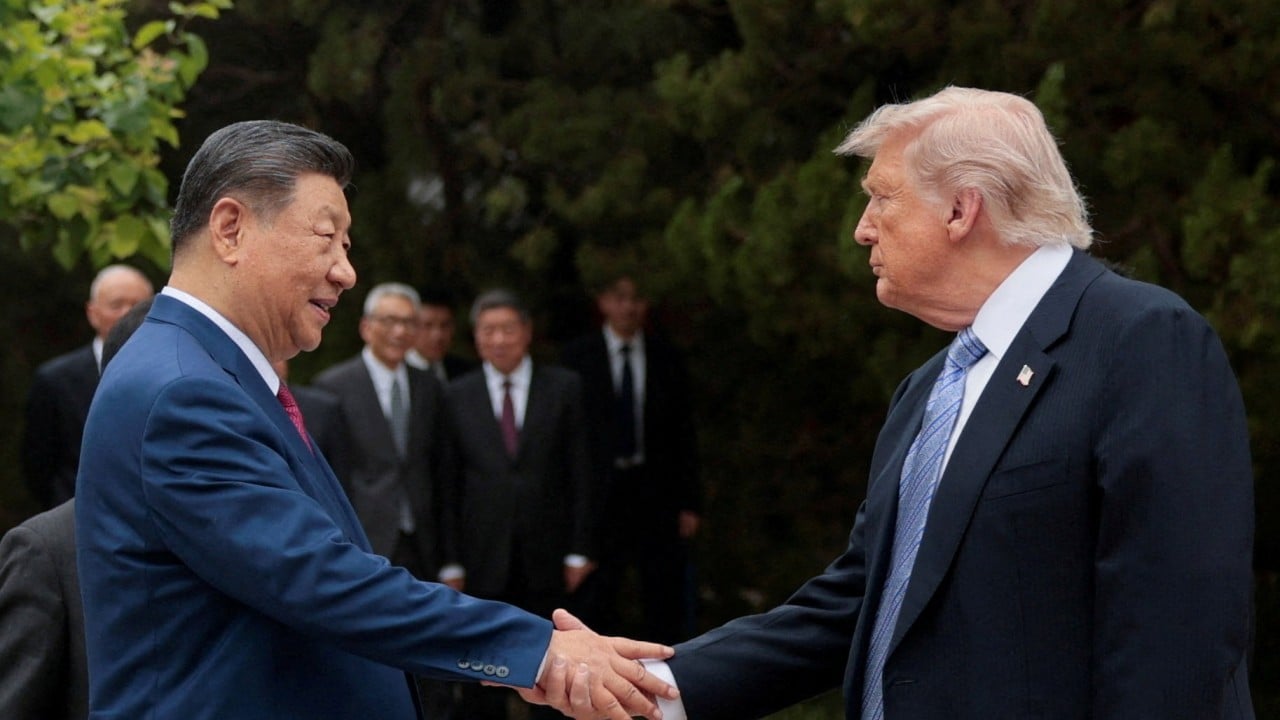
Despite President Donald Trump's allegations of Chinese interference in the 2020 US elections, analysts suggest that the agreement between China and the United States to pursue stability is holding firm. This assessment comes as Beijing has issued a measured response to Trump's claims, indicating a desire to avoid further escalation. Recent tangible gestures, such as Washington lifting sanctions on Hong Kong, further support the view that the relationship is not entirely frozen. These actions suggest a strategic effort by both nations to manage tensions, even as the US president appears intent on creating friction ahead of the leaders' second summit scheduled for September. The Chinese government's restrained reaction to the interference allegations, coupled with these conciliatory moves, signals a pragmatic approach to maintaining a degree of predictability in bilateral ties.
The interplay between President Trump's public accusations of foreign interference and the broader US-China strategic objective of stability presents a complex governance challenge. While domestic political considerations may drive assertive rhetoric, the economic and geopolitical imperatives for managing the US-China relationship suggest a continued emphasis on de-escalation. This dynamic highlights the potential for divergence between presidential pronouncements and the sustained policy objectives of governmental institutions. Future US administrations may need to navigate similar tensions between assertive foreign policy stances and the need for stable international partnerships, particularly in an era of increasing global interdependence and technological competition.
AI-generated to prompt reflection — not editorial opinion, not advice, not a statement of fact. How this works.