US-China Rivalry: The Wrong Question About Future Conflict
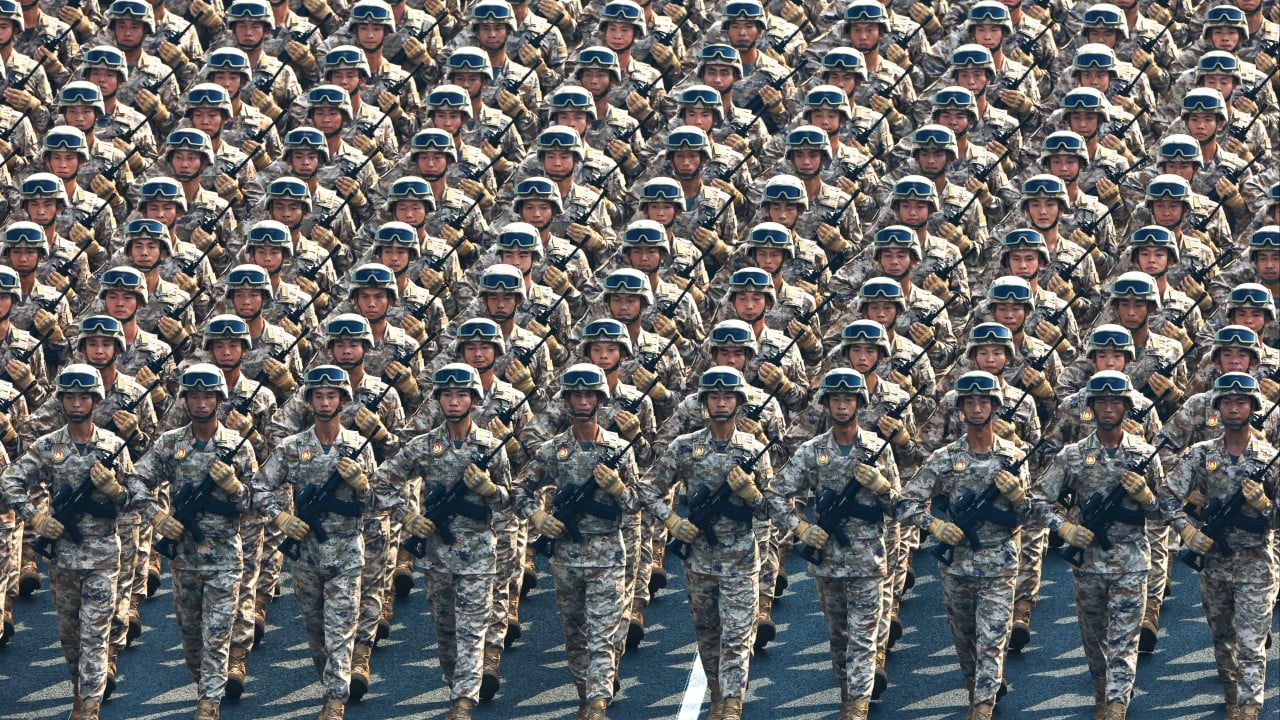
The latest issue of Foreign Affairs magazine addresses the critical question of who will win the next war, framing it as a central theme in the ongoing US-China military and technological rivalry. At the heart of this competition lies a fundamental divergence in strategic philosophies. This clash pits the established US-led international order against China's evolving worldview, which has been instrumental in its ascent to become the world's second-largest global power. The contributors to the magazine largely adhere to a long-standing Western strategic tradition, influenced by liberal realism. This perspective often shapes how the United States approaches international relations and potential conflicts. The magazine's exploration delves into the complexities of this rivalry, suggesting that the conventional framing of a "winner" in future warfare may be an oversimplification. It implies that the nature of modern conflict and the geopolitical landscape necessitate a more nuanced understanding beyond a simple victory or defeat scenario.
The framing of the US-China rivalry as a question of "winning the next war" reflects a traditional geopolitical perspective focused on state-centric power balances and military outcomes. However, contemporary global challenges, including economic interdependence, cyber warfare, and the potential for catastrophic escalation, suggest that such a binary outcome may be increasingly unlikely or irrelevant. The analysis in Foreign Affairs likely explores how differing strategic philosophies, rooted in distinct political and economic systems, drive this competition. Future geopolitical stability may depend less on military dominance and more on the ability of both powers to manage their competition through robust diplomatic channels, establish clear lines of communication, and find areas of mutual interest to prevent escalation. The long-term implications of this rivalry will shape international norms, technological development, and global governance structures for decades to come.
AI-generated to prompt reflection — not editorial opinion, not advice, not a statement of fact. How this works.