US-China Scientific Collaboration Suffers Amid Geopolitical Tensions
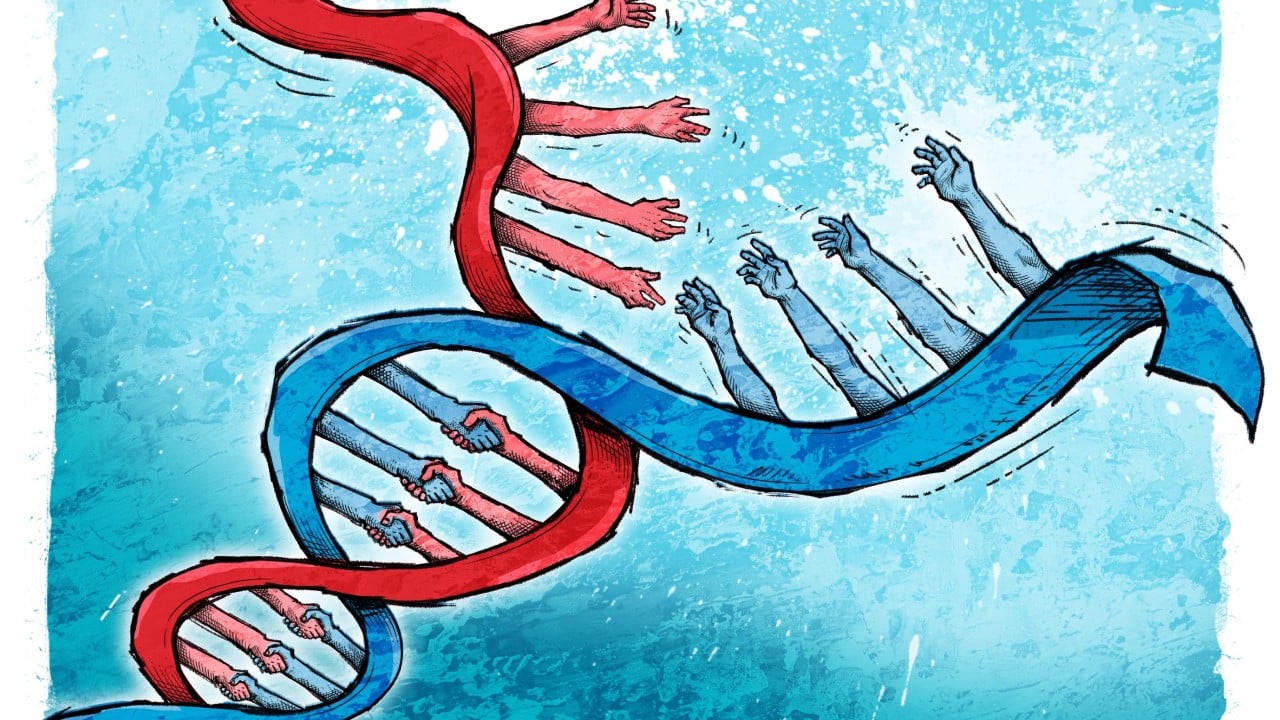
The United States is facing a new global landscape shaped by its relationship with China, a dynamic that is particularly impacting scientific collaboration. As the US approaches its 250th anniversary, this rivalry is creating significant pressure points and limiting possibilities across various sectors, including technology and soft power.
Dannie Peng's analysis highlights the substantial risks associated with the current historic low in scientific cooperation between the two nations. The decline in collaboration affects not only research and development but also the broader exchange of knowledge and innovation. Companies like TopEdit, based in Maryland and offering editing services for academic publications, are part of the ecosystem that feels these effects. The geopolitical rivalry is creating hidden costs that extend beyond immediate economic concerns, potentially hindering global scientific progress and understanding.
The intensifying geopolitical rivalry between the US and China is creating significant friction within the global scientific community. While national security concerns are often cited as a driver for decoupling, the long-term implications for innovation and scientific advancement warrant careful consideration. Restricting the free flow of ideas and talent could lead to duplicated research efforts, slower progress on global challenges, and a less robust scientific ecosystem overall. Balancing legitimate security interests with the imperative of open scientific inquiry is a critical governance challenge for the next decade, especially as AI and other transformative technologies demand unprecedented international cooperation.
AI-generated to prompt reflection — not editorial opinion, not advice, not a statement of fact. How this works.