US-China Space Race Hinges on Advanced Propellant Tank Domes
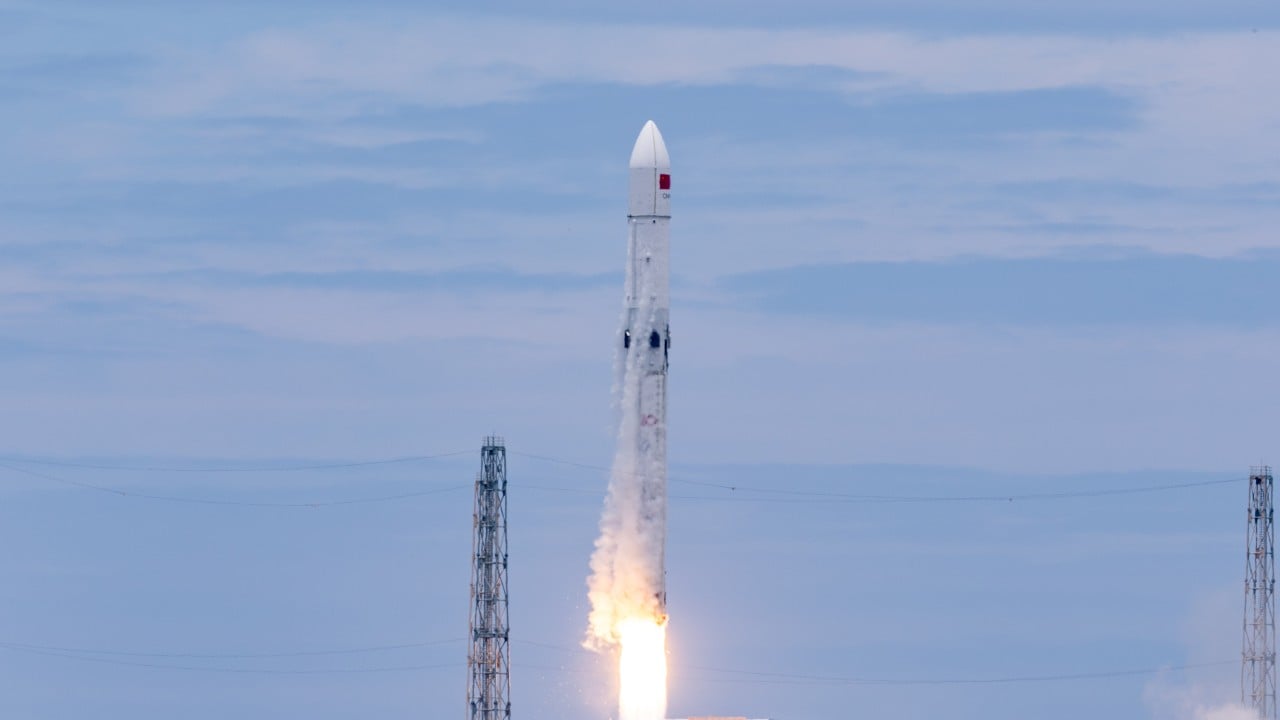
The competitive edge in the high-stakes space race between the United States and China may be determined by a critical, yet little-known component: the propellant tank dome. This ellipsoidal bulkhead, several meters in diameter and only millimeters thick, is essential for spacecraft. It must be engineered to endure extreme internal pressures, significant vibration, and sudden shock during space missions. Furthermore, the manufacturing of these rounded, capsule-like end caps presents considerable challenges, especially for mass production. The nation that achieves superior speed, cost-efficiency, and reliability in producing these vital domes is poised to gain a significant advantage in the ongoing space race.
The technological bottleneck surrounding propellant tank dome production highlights the intricate dependencies within advanced aerospace manufacturing. The ability to mass-produce such a critical, high-tolerance component efficiently suggests a nation's mastery over materials science, precision engineering, and industrial scaling. This capability is not merely about hardware; it reflects a robust ecosystem of research, development, and manufacturing infrastructure. As space exploration becomes increasingly commercialized and strategic, this specific technological hurdle underscores how foundational industrial capacities can become decisive geopolitical factors, influencing national prestige, economic opportunity, and long-term strategic positioning in the emerging space economy.
AI-generated to prompt reflection — not editorial opinion, not advice, not a statement of fact. How this works.