US chip policy shifts as China develops independent supply chain, eyeing Sino-Russian alliance
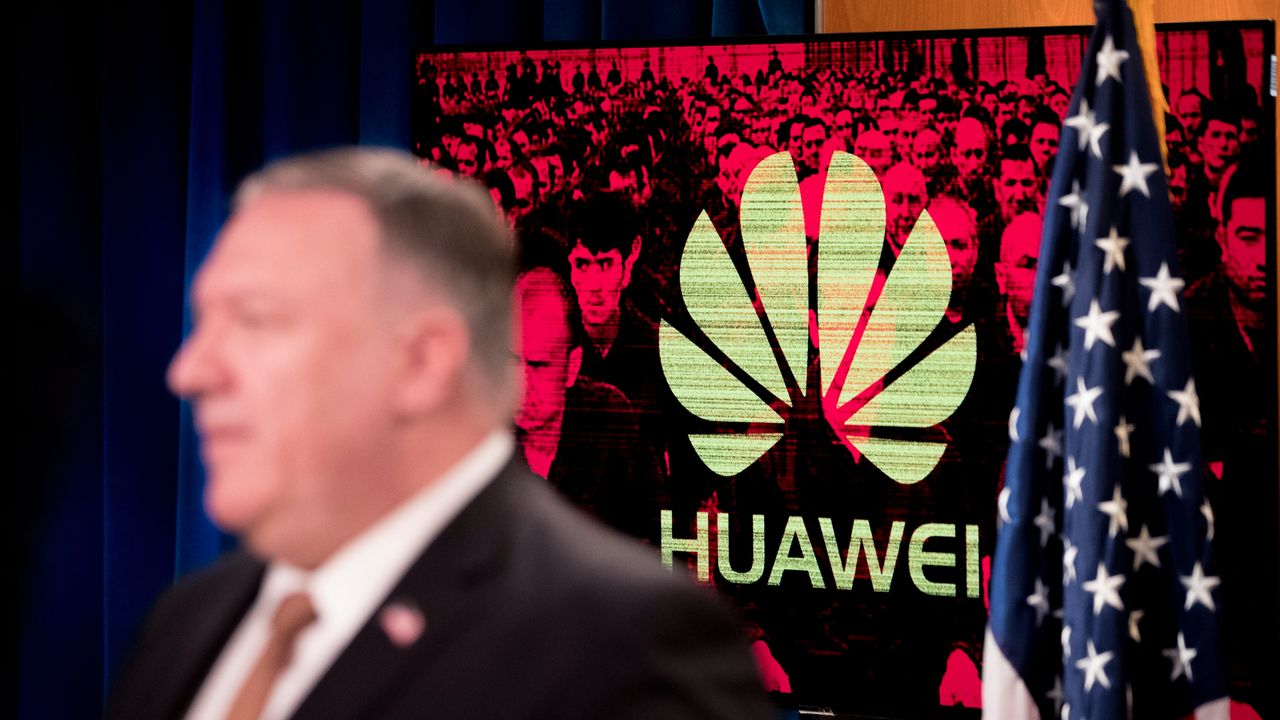
While the United States deliberates on its export control policies regarding Chinese semiconductor technology, China has been actively constructing its own domestic chip supply chain. This strategic development includes the establishment of an associated trade network designed to foster self-sufficiency. The evolving landscape suggests that current export controls imposed by the U.S. may inadvertently be creating conditions conducive to a potential chip trade alliance between China and Russia. This situation highlights a broader geopolitical competition in the critical semiconductor industry, where nations are seeking to secure their technological future amidst international trade restrictions.
The dynamic described reflects a classic response to supply chain disruption and geopolitical pressure. As external restrictions tighten, domestic innovation and alternative market formations are incentivized. The potential for a Sino-Russian chip trade alliance, if realized, would represent a significant shift in global semiconductor trade flows, driven by a shared interest in circumventing Western controls. This scenario underscores the complex interplay between national security objectives, technological advancement, and international economic relations in the 21st century. The long-term implications could involve the bifurcation of global technology standards and supply chains, impacting innovation and market access for all participants.
AI-generated to prompt reflection — not editorial opinion, not advice, not a statement of fact. How this works.