US Claims Israel Plotted Assassination of Iranian Negotiators
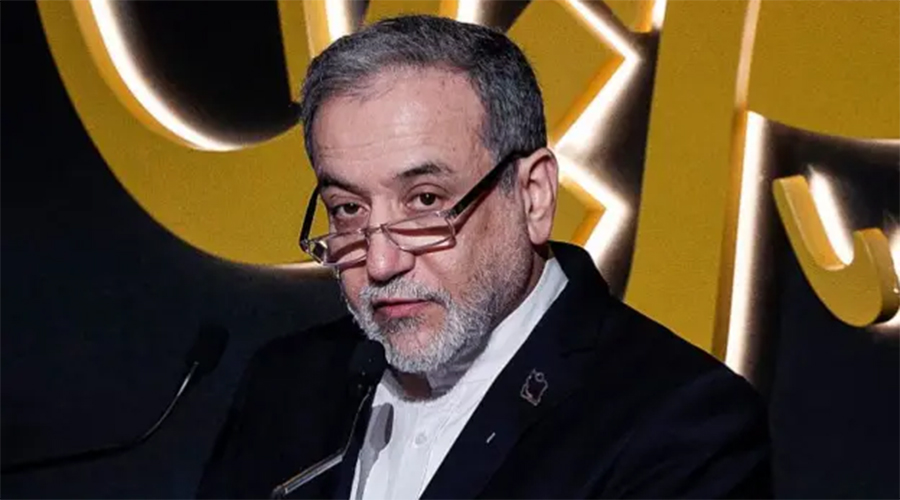
The United States was concerned that Israel might target Iran's Foreign Minister Abbas Araghchi and Parliament Speaker Mohammad Bagher Ghalibaf during ongoing negotiations that began in April. This concern prompted the U.S. to send a warning to Tehran through some of its Middle Eastern allies. According to a report by The New York Times, the U.S. feared that if either of these two negotiators were assassinated, it could jeopardize the ceasefire and peace efforts. The specific details of the alleged plot and the extent of Israel's involvement were not fully disclosed, but the U.S. intelligence indicated a credible threat. The negotiations between the U.S. and Iran are crucial for regional stability and potentially for broader international security. The alleged assassination plot highlights the complex geopolitical tensions and the high stakes involved in these diplomatic discussions. The U.S. intervention aimed to prevent a potential escalation and maintain the fragile progress of the talks. The report underscores the delicate balance of power and the covert actions that can influence international relations.
The U.S. claim regarding an alleged Israeli plot to assassinate Iranian negotiators during peace talks introduces a significant layer of complexity to the ongoing diplomatic efforts. Such allegations, if substantiated, could be interpreted as an attempt to disrupt or derail negotiations by creating a crisis, thereby altering the strategic calculus for all parties involved. This situation underscores the inherent challenges in high-stakes international diplomacy, where intelligence assessments and preemptive actions can have profound consequences. The revelation also points to the intricate web of geopolitical rivalries in the Middle East, where state and non-state actors may employ clandestine means to influence outcomes. Evaluating this event requires considering the potential incentives for disruption and the broader implications for regional security architecture in the coming decade, particularly in light of evolving power dynamics and technological capabilities in intelligence and covert operations.
AI-generated to prompt reflection — not editorial opinion, not advice, not a statement of fact. How this works.