US claims of Cuban threat contrast with Havana's internal struggles
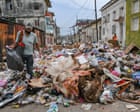
The U.S. State Department has released a 100-page report alleging that Cuba poses a "unique threat to American homeland security" and is responsible for significant upheavals in recent American political history. The report, titled "Cuba: Capital of 21st-Century Communism," attributes events such as the George Floyd riots, the rise of antifa, and increased "pro-terrorist activism" on college campuses to Havana's influence. These claims have been met with surprise by residents in Havana, who are currently experiencing a six-month-long U.S. oil blockade. The blockade has led to widespread hunger, with people reportedly searching through uncollected garbage for food, and prolonged blackouts lasting over 24 hours. The report represents a continuation of the Trump administration's campaign to destabilize the Cuban government. The contrast between the U.S. government's accusations and the daily realities of hardship faced by the Cuban population highlights a significant disconnect.
The U.S. State Department's report framing Cuba as a unique threat appears to diverge sharply from the on-the-ground realities of severe domestic challenges within Cuba, such as hunger and extensive blackouts, exacerbated by a U.S. oil blockade. This discrepancy raises questions about the strategic objectives and efficacy of U.S. foreign policy actions. Focusing on external threats while imposing sanctions that demonstrably impact civilian populations can create internal instability and humanitarian concerns, potentially undermining broader geopolitical goals. Future policy considerations might benefit from a more integrated approach that balances national security claims with the observed socio-economic conditions and the potential for unintended consequences stemming from economic pressure campaigns.
AI-generated to prompt reflection — not editorial opinion, not advice, not a statement of fact. How this works.