US Claims Strait of Hormuz Defense Role; Iran Counters with Compensation Claim
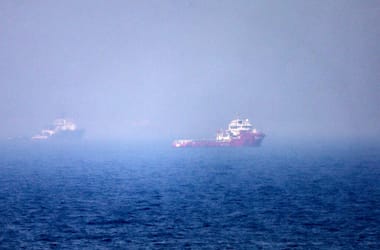
The United States and Iran engaged in actions targeting ships in the Strait of Hormuz on Monday night. U.S. President Donald Trump stated that the U.S. is the "protector of the Strait of Hormuz" and suggested imposing tolls on traffic passing through it. In response, Iran's Foreign Minister countered that Iran is the entity that ensures the security of passage in the strait. Iran believes it is entitled to compensation for providing this security, effectively challenging the U.S. claim to the protective role and the right to levy fees. The exchange highlights ongoing tensions and competing claims over control and security in this vital waterway.
The contrasting claims over the Strait of Hormuz reflect a geopolitical struggle for influence and control over critical energy transit routes. The U.S. assertion of a protective role, coupled with the suggestion of tolls, positions it as a gatekeeper, potentially leveraging its military presence for economic or political gain. Iran's counter-claim, emphasizing its own security provision and demanding compensation, frames it as the legitimate steward of the waterway, seeking recognition and financial benefit for its efforts. This dynamic underscores the complex interplay between national security interests, economic imperatives, and regional power balances in a globally significant chokepoint. Future developments will likely hinge on the effectiveness of deterrence, diplomatic engagement, and the evolving energy landscape.
AI-generated to prompt reflection — not editorial opinion, not advice, not a statement of fact. How this works.