US claims talks with Iran, but Tehran denies any negotiations are underway
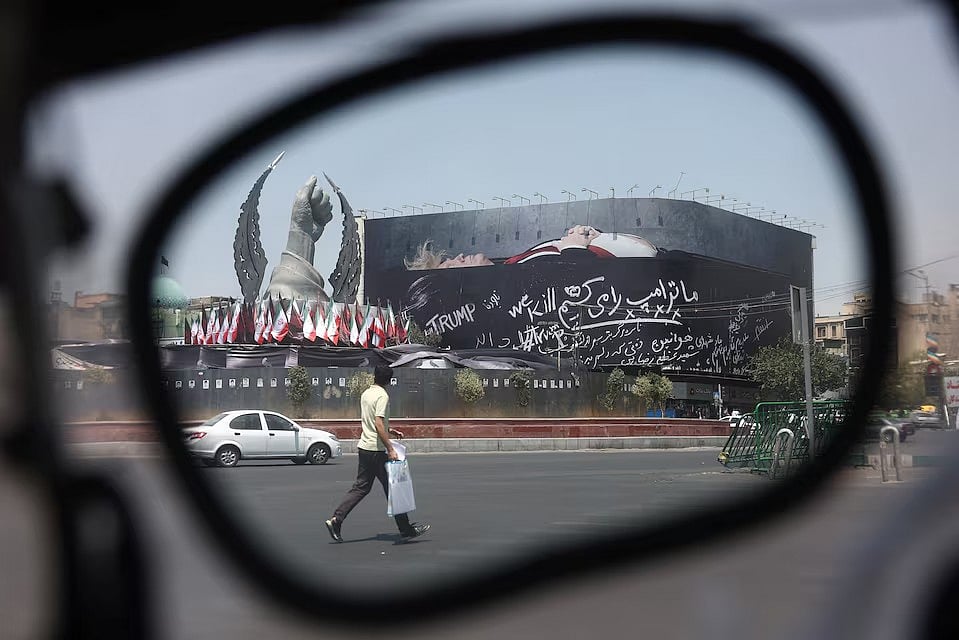
US President Donald Trump announced that negotiations with Iran would begin soon, claiming this was the reason for suspending further military action. However, Iran has vehemently denied these claims, stating that no discussions or meetings are currently planned with the United States. This situation echoes a pattern observed over the past few months, where Trump has announced significant military strikes against Iran, only to postpone them at the last minute. On Sunday, Trump told reporters aboard Air Force One that he was open to a deal and that communication was ongoing, with talks set to commence the following afternoon. He did not specify the location or participants of these potential discussions.
Following Trump's remarks, Iran's Foreign Ministry spokesperson, Saeed Khatibzadeh, stated on Monday that no negotiations are currently taking place with the US, and no meeting schedule has been set. He added that Tehran has no plans to host foreign delegations or send its own negotiators abroad in the coming days. While Foreign Minister Mohammad Javad Zarif was in Iraq for a religious visit, other Iranian negotiators remain in Iran. Currently, Iran is only discussing the management of the Strait of Hormuz with Oman. A senior Iranian source confirmed to Reuters that no talks with the US have been scheduled, and Zarif is unlikely to participate in any discussions before the end of the week. Analysts note that this pattern of escalating threats followed by a retreat, often citing diplomatic engagement, has been consistent for five months, particularly since the start of 'Operation Epic Fury' with Israel. Meanwhile, Iran has publicly rejected talks with Washington since a memorandum of understanding aimed at conflict resolution collapsed in early July.
The conflicting statements from the US and Iran regarding ongoing negotiations highlight a persistent divergence in strategic communication and objectives. While President Trump signals a desire for de-escalation through dialogue, Iran's consistent denial suggests a strategic posture aimed at preserving its leverage and potentially avoiding concessions under perceived duress. The recurring pattern of threatened escalation followed by a pause, framed as diplomatic engagement, may reflect an internal US policy dynamic or a deliberate tactic to manage domestic and international perceptions. Iran's counter-pressure tactics, focusing on regional security and strategic chokepoints like the Strait of Hormuz, demonstrate its capacity to influence global energy markets and challenge US objectives. The management of the Strait of Hormuz remains a critical point of contention, with potential Iranian-Omani cooperation posing a significant geopolitical challenge to US influence in the region. This dynamic underscores the complexities of asymmetric statecraft, where non-military actors can exert considerable influence through strategic positioning and economic leverage, potentially shaping outcomes in ways that challenge established power structures.
AI-generated to prompt reflection — not editorial opinion, not advice, not a statement of fact. How this works.
