US Completes Second Wave of Strikes on Iran Following Iranian Attacks on Gulf States
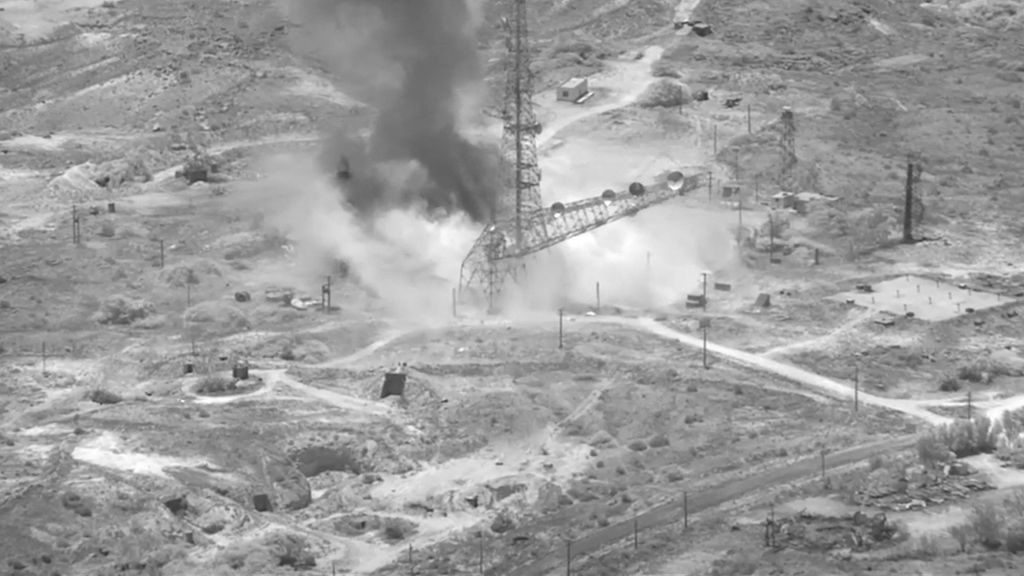
The United States has concluded a second wave of airstrikes targeting locations in Iran, according to the U.S. military's Central Command (Centcom). These strikes, which utilized precision weapons, hit Iranian command centers, air defense sites, missile and drone capabilities, and coastal surveillance facilities, including targets in Bandar Abbas. Earlier in the day, U.S. forces also struck coastal defense and cruise missile installations on Greater Tunb Island in the Strait of Hormuz. Following these U.S. actions, explosions were reported in various parts of Iran, with state media indicating air defense systems were activated in Tehran. Explosions were also reported from Bandar Abbas, Ahvaz, and Chabahar, with one projectile reportedly landing near a hospital in Ahvaz, necessitating the temporary relocation of 211 patients. The exact extent of damage and the causes of these explosions have not been independently verified. Prior to the U.S. strikes, Iran launched attacks using missiles and drones against Bahrain and Kuwait, countries hosting U.S. military personnel. Details on casualties or damage from these Iranian attacks have not been immediately released. These U.S. military operations follow Washington's re-establishment of a naval blockade around Iran. Centcom also reported disabling an empty oil tanker flying a Curaçaoan flag, stating the vessel ignored warnings and attempted to breach the blockade while en route to Kharg, a key Iranian oil export terminal.
The reported dual escalations between the U.S. and Iran, involving direct strikes and proxy actions in the Persian Gulf, highlight the persistent volatility in regional security dynamics. The U.S. military's actions, framed as responses to Iranian aggression, underscore the strategic importance of maritime chokepoints like the Strait of Hormuz and the ongoing tension surrounding Iran's regional influence and nuclear program. From a systemic perspective, these events reflect the challenges of de-escalation in a multipolar environment where state and non-state actors employ asymmetric tactics. The economic implications, particularly concerning oil supply routes and insurance for flagged vessels, are significant, potentially impacting global energy markets. Future developments will likely depend on the effectiveness of international diplomatic efforts and the internal political calculations of both nations, with a continued risk of miscalculation leading to wider conflict.
AI-generated to prompt reflection — not editorial opinion, not advice, not a statement of fact. How this works.