US Concerned Over China's JL-3 Submarine-Launched Missile
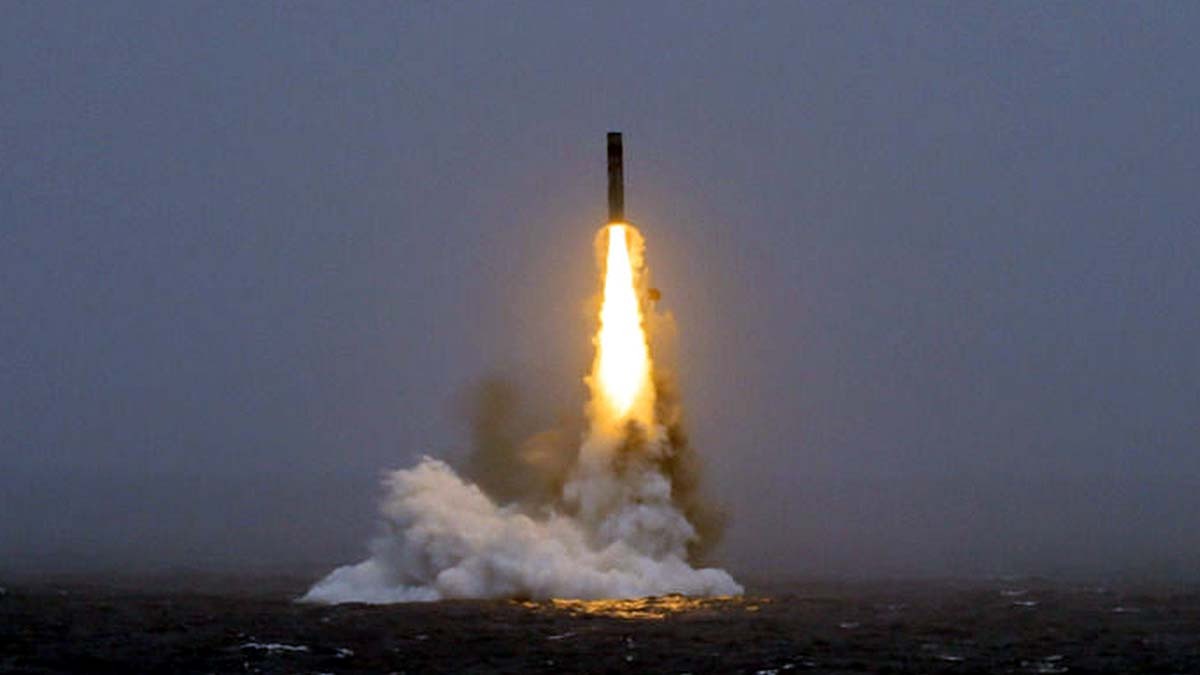
The United States is reportedly experiencing apprehension for the first time regarding China's JL-3 missile. This weapon is an intercontinental ballistic missile designed to be launched from submarines. The successful testing of the JL-3 has reportedly caused concern among American defense experts. The missile's capabilities are a significant development in China's strategic nuclear arsenal. Its intercontinental range means it can potentially reach targets across vast distances, including the United States. The fact that it is submarine-launched adds a layer of stealth and survivability to China's nuclear deterrent. This development highlights the ongoing advancements in China's military technology and its growing strategic capabilities. The reaction from US defense experts underscores the perceived threat posed by this new missile system. It suggests a potential shift in the strategic balance and raises questions about existing missile defense systems.
The reported concern in the US over China's JL-3 missile reflects the escalating strategic competition between the two global powers. The development of submarine-launched intercontinental ballistic missiles represents a significant enhancement of a nation's nuclear deterrent, offering greater survivability and strategic flexibility. This technological advancement necessitates continuous reassessment of defense postures and strategic doctrines by all major nuclear-armed states. The focus for defense planners will likely be on maintaining strategic stability, understanding the implications for arms control, and evaluating the effectiveness of current and future missile defense technologies in the face of evolving threats. The long-term implications involve navigating a complex geopolitical landscape where technological parity and deterrence dynamics are constantly in flux.
AI-generated to prompt reflection — not editorial opinion, not advice, not a statement of fact. How this works.