US Conducts Daytime Airstrikes on Iran to Disrupt Strait of Hormuz Threats
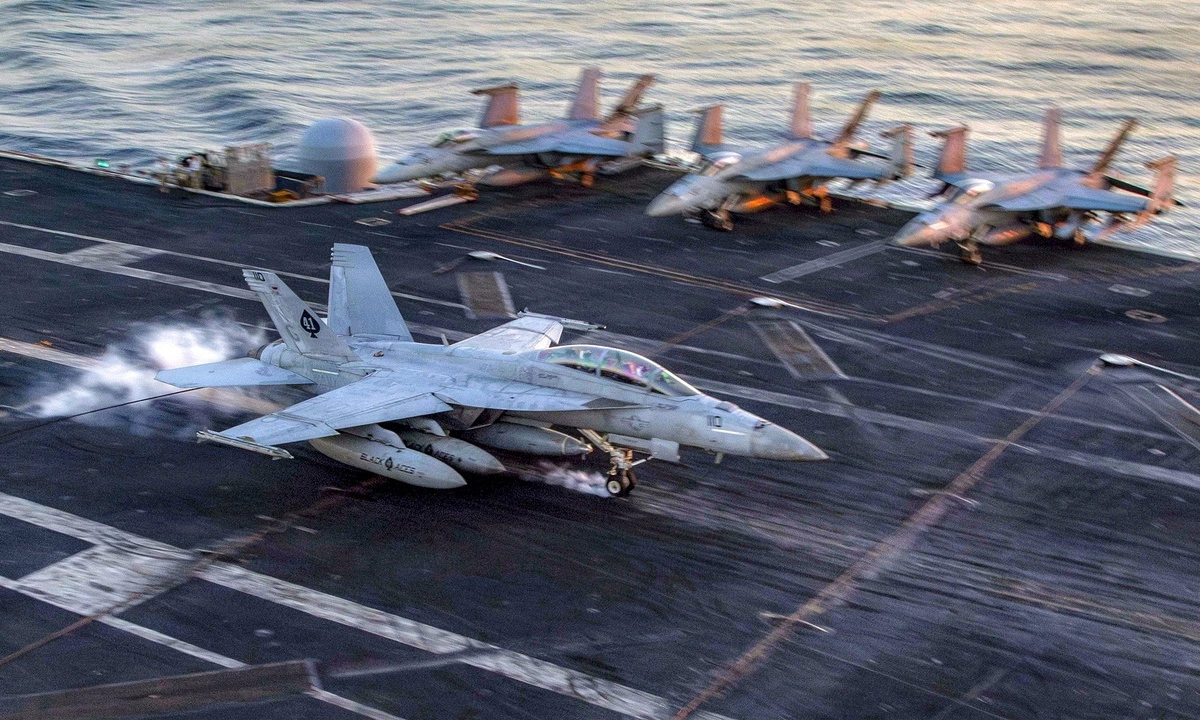
The United States has initiated daytime airstrikes against Iran for the first time in several days. The primary objective of these operations is to degrade Tehran's capacity to threaten maritime traffic transiting the Strait of Hormuz. This action signals a direct response to Iran's ongoing efforts to disrupt international shipping in the critical waterway. The strikes aim to diminish the effectiveness of Iranian weaponry and operational capabilities that pose a risk to vessels. By conducting these attacks during daylight hours, the US likely seeks to maximize precision and minimize collateral damage, while also demonstrating a clear and visible commitment to maintaining freedom of navigation. The Strait of Hormuz is a vital chokepoint for global oil supplies, and any disruption there has significant economic implications worldwide. This escalation underscores the heightened tensions between the two nations and the strategic importance of the Persian Gulf region.
The US airstrikes targeting Iran's capacity to threaten the Strait of Hormuz represent a strategic maneuver to uphold freedom of navigation, a critical global economic interest. By directly addressing Iran's disruptive capabilities, the US aims to deter further aggression and maintain the stability of vital shipping lanes. This action highlights the ongoing geopolitical tension and the complex interplay between national security interests and international trade. The long-term implications will depend on Iran's response and the broader regional dynamics, potentially influencing global energy markets and international relations for the foreseeable future.
AI-generated to prompt reflection — not editorial opinion, not advice, not a statement of fact. How this works.