US Conducts Ninth Night of Strikes on Iran Amid Rising Oil Prices and Service Member Fatality
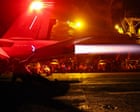
The United States military carried out its ninth consecutive night of strikes targeting Iran early Monday. This action followed the confirmation of another American service member's death in Iraq, bringing the total to three in recent days. President Donald Trump stated that the new attacks were conducted "in honor" of the fallen service member. The deceased was killed on Saturday in northern Iraq during a controlled detonation of unexploded ordnance found on a downed Iranian attack drone. The incident occurred on a US military base. Concurrently, the price of Brent crude oil surpassed $90 a barrel, reaching its highest point since June. This escalation in the Middle East crisis is occurring against a backdrop of increased tensions and military actions in the region.
The recent US military strikes against Iran, framed as a response to service member fatalities and drone activity, coincide with a significant surge in oil prices to over $90 per barrel. This confluence of events highlights the complex interplay between geopolitical instability and global energy markets. The strategic importance of the Strait of Hormuz, a critical chokepoint for oil transport, means that regional tensions can have immediate and substantial impacts on global supply and pricing. Future market stability will likely depend on de-escalation efforts and the resilience of energy supply chains to geopolitical shocks. The administration's communication strategy, linking military actions to honoring fallen personnel while also impacting market conditions, warrants scrutiny regarding its broader strategic objectives and potential unintended consequences on international relations and economic stability.
AI-generated to prompt reflection — not editorial opinion, not advice, not a statement of fact. How this works.