US Conducts Second Airstrike Against Iran on Same Day
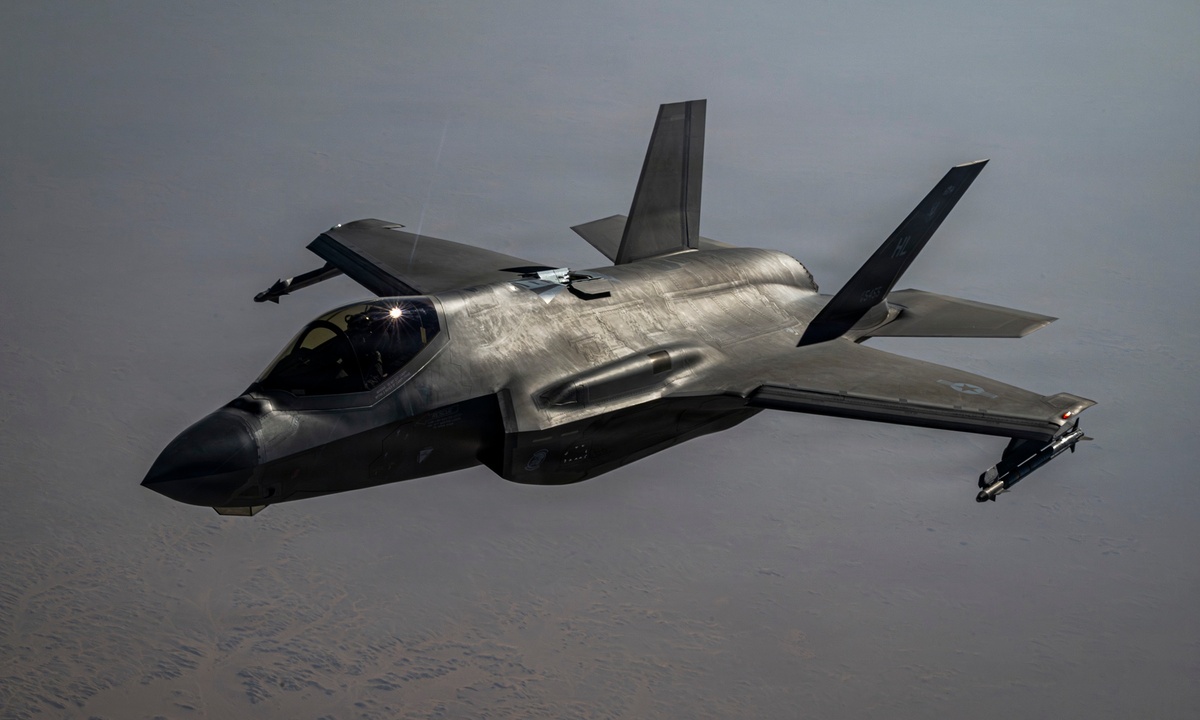
The United States military launched a second airstrike on July 15th, continuing its efforts to degrade Tehran's ability to attack vessels transiting the Strait of Hormuz. This action follows an earlier strike on the same day, indicating a sustained U.S. military focus on disrupting Iranian maritime capabilities. The strikes are intended to directly counter threats posed by Iran to international shipping in this critical waterway. The U.S. aims to diminish Iran's capacity to interfere with or launch assaults on commercial and military ships navigating the strategic strait. This dual action underscores the ongoing tensions and the U.S. commitment to ensuring freedom of navigation in the region. The specific targets and extent of damage from the second strike were not detailed, but the overarching objective remains clear: to weaken Iran's offensive posture against shipping.
The U.S. military's decision to conduct two airstrikes against Iranian capabilities on the same day suggests a strategic imperative to decisively degrade Tehran's capacity to threaten maritime traffic through the Strait of Hormuz. This dual action reflects a calibrated response aimed at deterring future aggression by imposing immediate costs. The underlying incentive structure for Iran likely involves balancing perceived regional influence with the risk of escalating conflict and economic sanctions. From a forward-looking perspective, such kinetic actions, while addressing immediate threats, may also contribute to a cycle of escalation that could destabilize regional security dynamics in the long term. The effectiveness of these strikes will ultimately be measured not only by their immediate impact on Iranian capabilities but also by their influence on Iran's strategic calculus and the broader geopolitical landscape over the next decade.
AI-generated to prompt reflection — not editorial opinion, not advice, not a statement of fact. How this works.