US Conducts Sixth Night of Airstrikes on Iran, Targeting Bandar Abbas
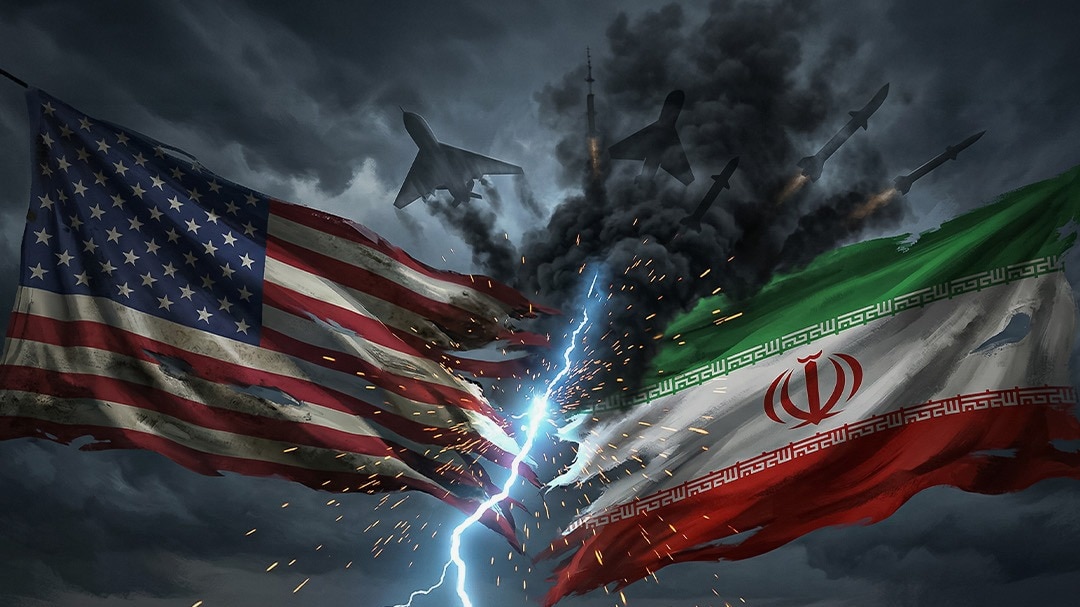
The United States carried out airstrikes on Iran for the sixth consecutive night on July 16, with the city of Bandar Abbas being the primary target. These attacks resulted in disruptions to electricity and communication networks, and tragically, seven people were injured. The U.S. stated that its actions were directed at military installations. Meanwhile, the White House asserted that diplomatic channels for negotiation remain open. The strikes highlight a significant escalation in military activity in the region.
The repeated U.S. airstrikes on Iran, extending over six nights and impacting civilian infrastructure like power and communications, suggest a strategic objective beyond immediate military deterrence. While the U.S. frames these actions as targeting military sites and maintains diplomatic options are available, the consistent application of force raises questions about the long-term efficacy and potential for unintended escalation. This pattern of kinetic action coupled with declared diplomatic openness presents a complex dynamic, potentially signaling a strategy to exert maximum pressure through military means while keeping a door open for de-escalation, or it could indicate a lack of clear strategic consensus on the desired outcome. The impact on civilian life, even if unintended, underscores the inherent risks in such prolonged military engagements and the challenge of achieving precise military objectives without broader societal consequences in the current geopolitical climate.
AI-generated to prompt reflection — not editorial opinion, not advice, not a statement of fact. How this works.