US Congress Approves New Sanctions Against Putin Amid Bipartisan Support
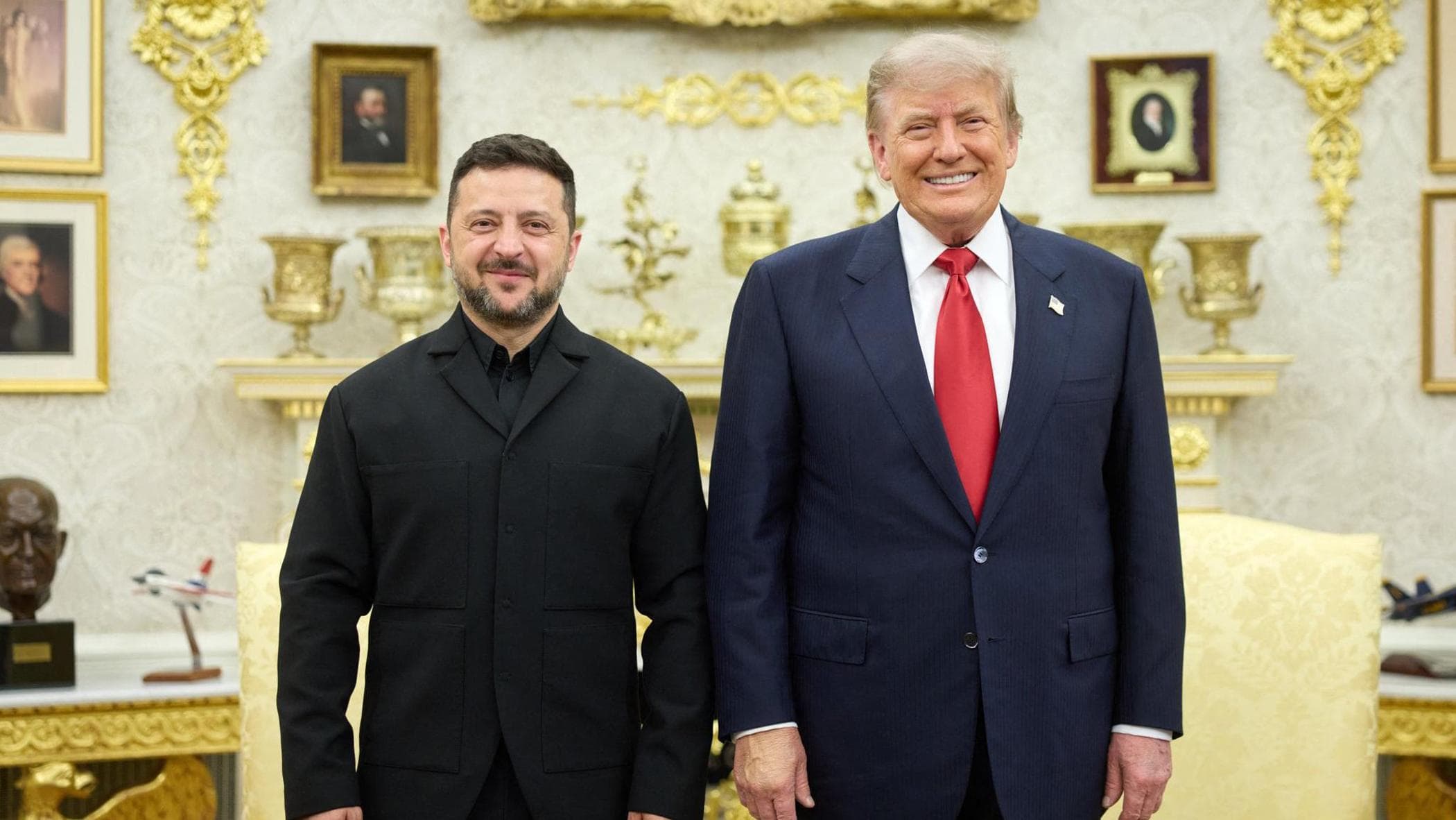
The US Senate has passed new sanctions targeting Russian President Vladimir Putin and countries that purchase Russian oil. The move aims to pressure Putin into negotiations. However, Putin has responded defiantly, stating that Russia will not be broken by these measures. The bipartisan approval in Congress signifies a unified stance against Russia's actions. The sanctions are designed to isolate Russia economically and politically, particularly by impacting its crucial oil revenue stream. This legislative action underscores the ongoing geopolitical tensions between the United States and Russia. The Senate's decision reflects a strategic effort to leverage economic tools for diplomatic outcomes. The effectiveness of these sanctions in compelling Putin to negotiate remains to be seen, given his firm rebuttal. This development is a significant escalation in the international response to Russia's policies.
The US Senate's bipartisan approval of new sanctions against Russia, aimed at pressuring President Putin through oil market dynamics, reflects a strategic economic statecraft approach. This action seeks to leverage financial leverage to influence geopolitical negotiations, a common tool in international relations. The effectiveness of such measures hinges on global energy market stability and the resilience of the targeted economy. Putin's public defiance suggests a potential for prolonged economic confrontation, highlighting the complex interplay between sanctions, national resolve, and diplomatic outcomes in the current geopolitical landscape. This situation prompts consideration of long-term energy security strategies and the evolving role of economic sanctions in global governance.
AI-generated to prompt reflection — not editorial opinion, not advice, not a statement of fact. How this works.